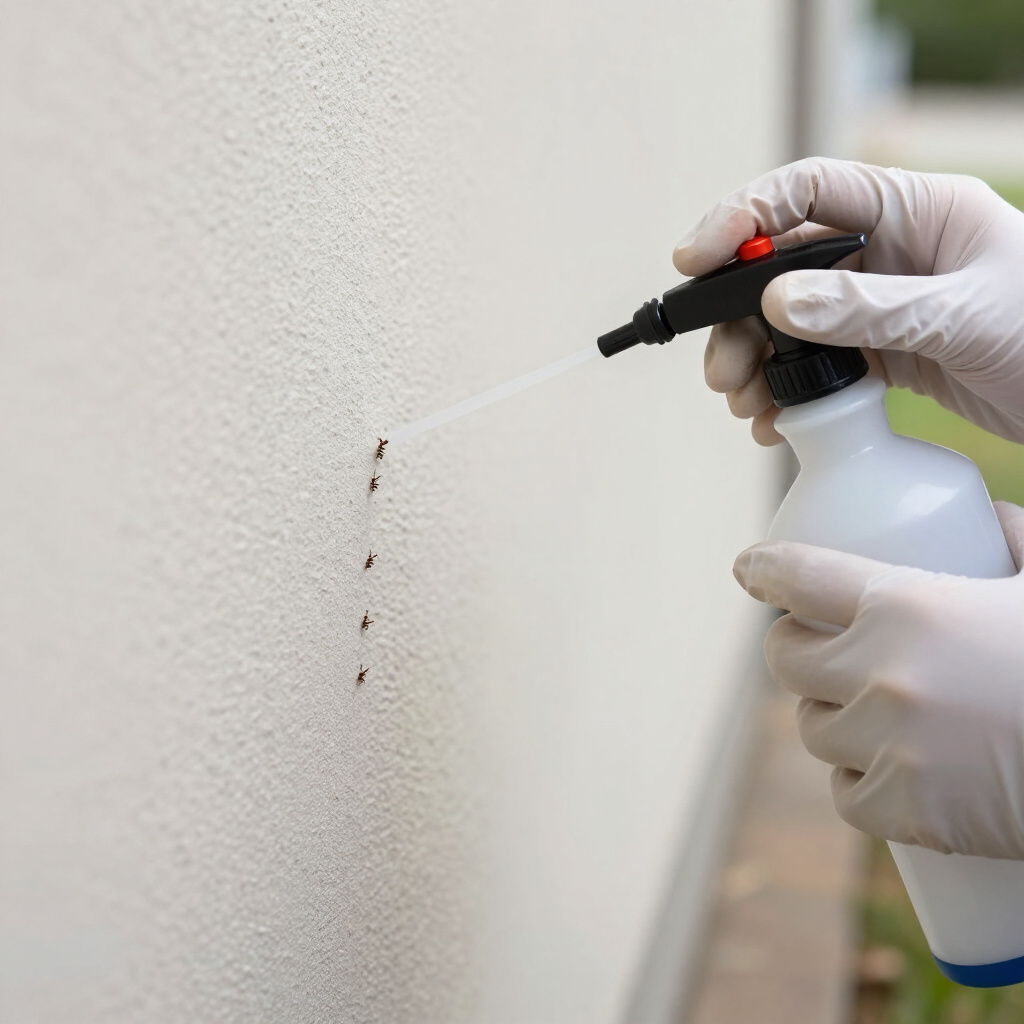


Pest Control Services in Havelock, NC
Havelock sits at the heart of Craven County's coastal plain, where the Neuse River's tidal influence and abundant maritime forests create ideal conditions for pests year-round. The city's position between the Croatan National Forest and the Atlantic coastline means residents deal with a unique blend of woodland and moisture-driven infestations that require specialized local knowledge.
Homeowners in Havelock's established neighborhoods near the Cherry Point MCAS perimeter, along with newer developments throughout the city, face distinct seasonal pressure from pests. The combination of sandy loam soil, high humidity, and proximity to salt marsh ecosystems drives termite activity, while the mild winters allow mosquito populations to persist longer than in inland North Carolina communities.
Effective pest management here demands strategies calibrated for eastern North Carolina's specific environmental conditions. Treatments must account for the area's frequent heavy rainfall, which can wash away surface applications, and the persistent moisture that accelerates wood-destroying organism activity in crawl spaces and foundations.
Property owners near Havelock's western edges, where development meets the Croatan National Forest boundary, often experience heightened wildlife and insect pressure from the adjacent woodland. Meanwhile, homes in the city's older core near the railroad corridor may encounter different challenges related to aging infrastructure and historical construction practices that create pest harborage.
Frequently Asked Questions About Pest Control in Havelock
What pests are most problematic in Havelock compared to other North Carolina cities?
Coastal proximity makes Havelock particularly vulnerable to Formosan termites, which are more established here than in the Piedmont or Mountain regions. The city's lower elevation and tidal influence also mean mosquito season extends from March through November, roughly six weeks longer than inland areas. Additionally, the sandy soil composition allows fire ants to establish extensive colony networks that can be difficult to eradicate without professional-grade treatment systems.
How does proximity to Cherry Point MCAS affect pest patterns in Havelock?
The military air station's extensive undeveloped buffer zones and training areas create significant wildlife corridors. These protected spaces support healthy populations of rodents, ticks, and nuisance wildlife that occasionally migrate into adjacent residential areas. Properties bordering MCAS lands or the connecting greenway corridors typically require more robust exterior perimeter defenses and more frequent monitoring than homes in the city's interior neighborhoods.
What should Havelock homeowners know about crawl space moisture and pests?
Craven County's high water table and Havelock's minimal elevation above sea level mean crawl spaces rarely achieve natural dryness. This persistent moisture attracts springtails, pillbugs, camel crickets, and creates favorable conditions for wood-decay fungi that can be mistaken for termite damage. Vapor barrier installation combined with targeted dehumidification strategies often proves more effective for long-term pest prevention than chemical treatments alone in these environments.
Are there pest control restrictions specific to Havelock's coastal location?
Properties within designated waterfront or wetlands areas may face application restrictions to protect the Neuse River estuary and associated tributaries. Buffer zones near tidal creeks and the Carolina Beach Formation outcroppings require technicians to use specialized low-impact formulations and precise application methods. Reputable local providers understand these watershed protection requirements and adjust treatment protocols accordingly without sacrificing effectiveness.