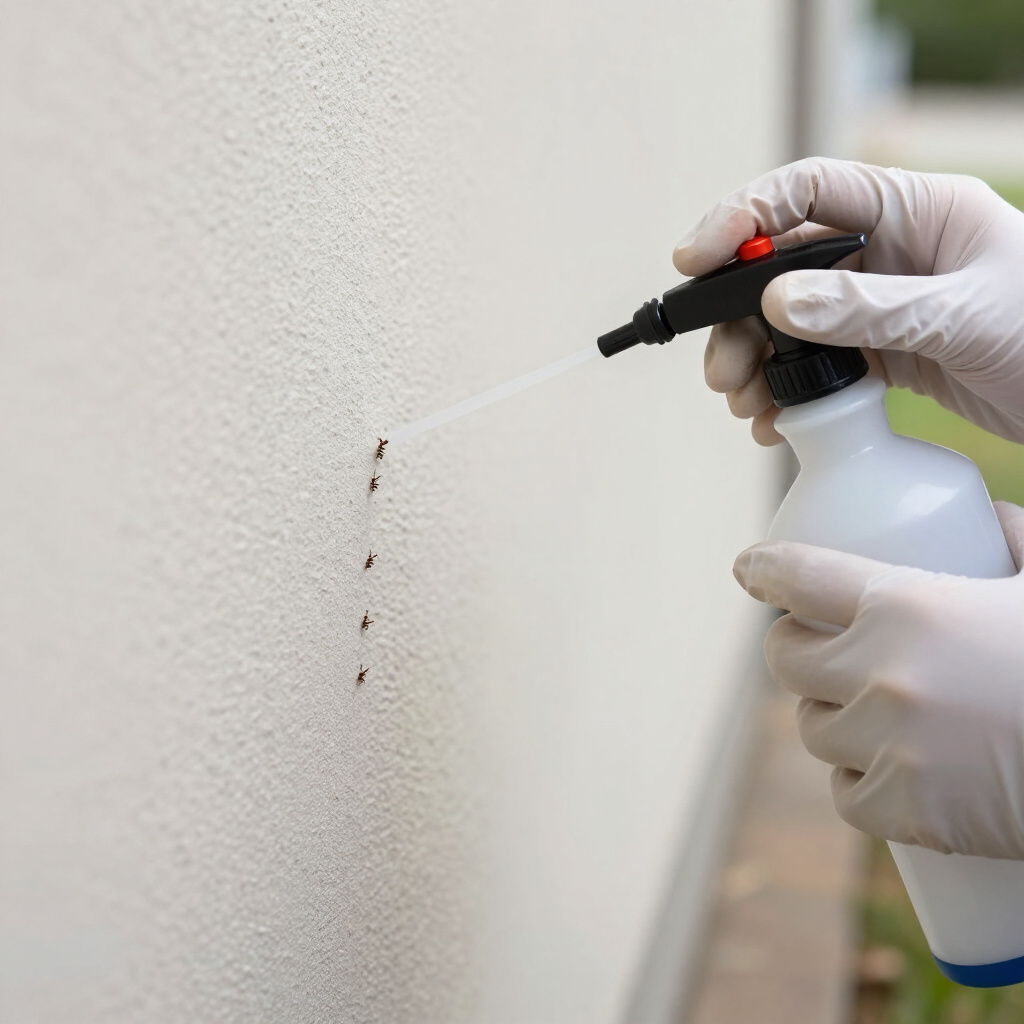


Professional Pest Control Services in Beaufort
Beaufort's coastal location on the Crystal Coast makes it one of North Carolina's most charming waterfront communities—and also a prime environment for persistent pest problems. The combination of salt air, high humidity, abundant waterways, and historic neighborhoods creates conditions where termites, mosquitoes, rodents, and moisture-loving insects thrive year-round.
Homeowners in Carteret County face unique challenges that inland residents rarely encounter. The maritime climate accelerates termite colony growth, while standing water from tidal flooding and summer storms provides constant breeding grounds for mosquitoes. Older homes in Beaufort's historic district require specialized treatment approaches that protect architectural integrity while eliminating active infestations.
Effective pest management here demands local expertise. Treatments that work in drier Piedmont climates often fail against the resilient pest populations adapted to coastal conditions. Professional exterminators familiar with Beaufort's specific environment understand how seasonal weather patterns, proximity to Taylor's Creek and the Atlantic Intracoastal Waterway, and neighborhood construction styles influence which pests appear and how they behave.
Our Pest Control Services in Beaufort
We provide comprehensive pest management solutions designed for coastal North Carolina properties. Our service offerings include:
- Termite Control and Prevention — Subterranean termites cause significant structural damage throughout Carteret County. We conduct thorough inspections, install liquid barrier treatments and baiting systems, and provide ongoing monitoring to protect your investment.
- Mosquito Reduction Programs — Monthly treatments during peak season target breeding sites and resting areas around your property, dramatically reducing mosquito populations for comfortable outdoor living.
- Rodent Exclusion and Removal — Rats and mice exploit gaps in pier-and-beam foundations and weather-worn exterior entry points common to coastal homes. We seal access points, eliminate current populations, and establish preventive measures.
- Moisture Pest Management — Silverfish, cockroaches, and various ant species flourish in humid conditions. Our treatments address both the pests and contributing moisture factors.
- Stinging Insect Nest Removal — Paper wasps, yellow jackets, and hornets nest in eaves, porches, and outbuildings. Safe removal protects your family and guests.
- General Pest Protection Plans — Quarterly perimeter treatments create consistent barriers against spiders, ants, crickets, and seasonal invaders.
What to Expect: Pest Control Costs in Beaufort
Pest control pricing in Beaufort varies based on property characteristics, infestation severity, and service frequency. Most homeowners should anticipate these general ranges:
Initial inspections typically run $75–$150, though many providers apply this fee toward treatment services when you proceed. One-time treatments for specific issues like visible ant trails or single wasp nests generally cost $150–$350 depending on accessibility and required products.
Recurring protection plans represent the most popular option for Beaufort residents, with quarterly service agreements ranging $400–$700 annually. These plans include scheduled exterior perimeter treatments, interior coverage as needed, and callbacks between scheduled visits at no additional charge. Homes with extensive landscaping, waterfront access, or previous termite damage may fall toward the higher end.
Termite protection requires separate consideration. Liquid barrier treatments for average-sized homes typically range $800–$2,000 with annual renewal fees of $150–$300. Baiting system installations run $1,200–$2,500 with comparable monitoring costs. Given Beaufort's high termite pressure, most lenders and insurers strongly recommend or require active protection.
We provide detailed written estimates before any work begins, with transparent pricing that accounts for your specific property conditions rather than applying generic formulas.
Areas We Serve in and Around Beaufort
Our technicians regularly service properties throughout Beaufort and surrounding communities in Carteret County and neighboring areas.
Beaufort neighborhoods include: Downtown Historic District, Old Town, Beaufort West, Gallants Channel area, and waterfront communities along Front Street, Live Oak Street, and Ann Street corridors.
Nearby towns and communities we cover: Morehead City, Atlantic Beach, Emerald Isle, Newport, Harkers Island, Stacy, South River, and portions of Down East Carteret County extending toward Cedar Island.
Whether you reside in a restored nineteenth-century home near the Beaufort Historic Site, a modern construction in established neighborhoods, or a waterfront property along Taylor's Creek or Gallants Channel, we provide responsive service with technicians who know the local roads and conditions.
Frequently Asked Questions
How often should Beaufort homes receive pest control treatments?
Most coastal properties benefit from quarterly exterior treatments year-round. The extended warm season and mild winters in Carteret County mean pest activity rarely ceases completely. Homes with previous infestations, extensive landscaping, or waterfront exposure may need monthly service during peak mosquito and termite seasons.
Are pest control treatments safe for pets and marine environments?
Reputable providers use products formulated for minimal environmental impact near waterways. We select application methods and product choices specifically appropriate for coastal ecosystems, avoiding treatments that could affect Taylor's Creek, the Intracoastal Waterway, or nearby sounds. We always provide pre-treatment preparation instructions regarding pets and recommend keeping them inside during application and until products dry completely.
Why do termites seem worse in Beaufort than other North Carolina areas?
Eastern subterranean termites and Formosan termites both establish significant populations in Carteret County. The combination of mild winters allowing year-round colony activity, abundant moisture from high humidity and rainfall, and many structures with wood-soil contact or aging wooden components creates ideal conditions. Historic homes with original timber framing are particularly vulnerable without modern protective measures.