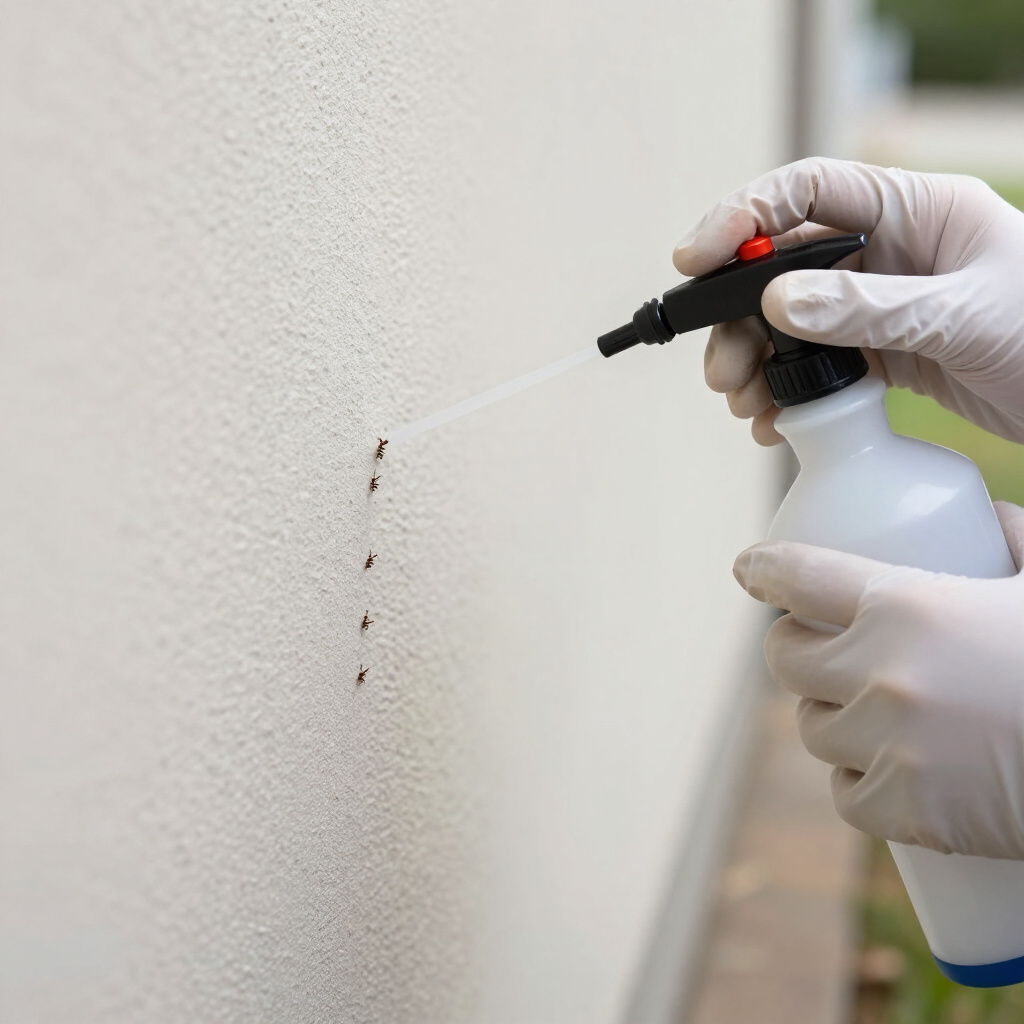


Pest Control Services in Jacksonville, NC
Jacksonville sits at the heart of Onslow County, where the humid subtropical climate and proximity to the New River create ideal conditions for pests to thrive year-round. From the historic downtown district to newer developments near Camp Lejeune, homeowners and businesses face distinct pest pressures that require localized expertise.
Our technicians understand the specific challenges of coastal plain pest management. The combination of sandy soils, abundant rainfall, and mild winters allows termites, mosquitoes, and fire ants to remain active longer than in inland regions. We tailor treatment protocols to address these regional factors, using integrated pest management strategies that account for Jacksonville's unique environmental conditions.
Residential services cover single-family homes, townhouses, and apartments throughout the city, with particular attention to properties near wetland areas where moisture-loving pests concentrate. Commercial pest control supports restaurants along Western Boulevard, retail centers, military family housing, and medical facilities with strict sanitation requirements. Specialized programs address the needs of rental properties and HOA-managed communities common in this growing market.
Seasonal services align with regional pest cycles—spring termite swarming, summer mosquito and ant peaks, fall rodent entry, and winter maintenance for year-round pests. We also provide moisture control and wood-destroying organism inspections required for real estate transactions throughout Onslow County.
Common Questions About Pest Control in Jacksonville
What pests are most problematic in Jacksonville compared to other parts of North Carolina?
The coastal location brings higher mosquito pressure from April through October, with salt marsh mosquitoes traveling inland from nearby estuaries. Formosan termites, an invasive species established in the region, cause more aggressive damage than native eastern subterranean termites and require specialized treatment approaches. Fire ants remain active nearly year-round due to mild winter temperatures. The sandy soil also makes traditional termite barrier treatments less effective, necessitating alternative application methods that our technicians are trained to deploy.
How does living near Camp Lejeune affect pest control needs?
Properties near military installations experience higher turnover rates, which can disrupt consistent pest management and allow populations to establish between tenancies. Housing areas often have dense construction with shared walls, enabling bed bugs and German cockroaches to spread between units. We coordinate with property managers to implement preventive protocols during vacancy periods and provide rapid response for incoming families. BAH rates in the area also influence housing density patterns, with some neighborhoods having more multi-family units requiring communal pest management strategies.
Are there restrictions on pest control treatments near the New River or coastal waterways?
Yes, buffer zones and application restrictions apply to properties adjacent to the New River, Wilson Bay, and their tributaries. We use reduced-risk products and precision application equipment to minimize environmental impact in these sensitive areas. For waterfront properties, we emphasize physical exclusion methods, habitat modification, and targeted treatments rather than broad perimeter applications. Our technicians are familiar with Onslow County's watershed protection requirements and North Carolina's coastal area management regulations, ensuring compliant service for homes in flood-prone and riparian zones.