

Common Pest Control Problems in Woodfin
Woodfin sits along the French Broad River in Buncombe County, where the combination of riverfront moisture, dense tree canopy, and the humid subtropical climate of western North Carolina creates persistent pest pressure year-round. Homeowners here face challenges distinct from drier inland communities.
Moisture-driven infestations top the list. The French Broad River and its tributaries keep soil humidity elevated, especially in low-lying neighborhoods near the water. Subterranean termites thrive in these conditions, often establishing colonies that go undetected for years until structural damage appears. Carpenter ants follow similar patterns, excavating damp wood in crawl spaces, deck posts, and window frames.
Seasonal surges disrupt Woodfin households predictably. Spring brings millipedes and centipedes seeking cool, moist harborage in basements and ground-level rooms. Summer delivers peak mosquito activity along the river corridor, with standing water in wooded lots breeding populations that make outdoor living frustrating. Fall sends rodents—roof rats and Norway rats—indoors as temperatures drop, while stink bugs and lady beetles cluster on sun-facing exterior walls attempting to overwinter.
Wooded lot complications affect newer developments and established neighborhoods alike. Properties backing up to the Blue Ridge foothills encounter tick populations that pose Lyme disease concerns, plus wildlife intrusions from raccoons, squirrels, and opossums that damage soffits and contaminate attics. Fire ants have also expanded their range into Buncombe County, establishing aggressive colonies in sunny, disturbed soils.
How We Help Woodfin Homeowners
Our service approach accounts for Woodfin's specific geography and building stock. Many homes here date to the mid-20th century with stone foundations, crawl space ventilation issues, or additions that created structural vulnerabilities. Newer construction along Riverside Drive and in infill areas presents different challenges with tighter building envelopes that can trap moisture internally.
We begin with comprehensive property assessments that identify conducive conditions particular to river-adjacent properties: grade slopes directing water toward foundations, wood-to-soil contact points, and tree canopy bridges that allow pests access to rooflines. Our technicians document moisture readings, entry points, and harborage areas before recommending targeted interventions.
Integrated strategies replace blanket spraying. For termite concerns, we employ liquid barrier treatments and baiting systems suited to Buncombe County's termite pressure. Mosquito reduction focuses on source elimination plus targeted adulticide applications rather than broad-area fogging that harms beneficial insects. Rodent programs combine exterior exclusion with interior trapping, emphasizing permanent sealing of entry points over ongoing poison bait reliance.
Pest Control Services Available in Woodfin
- Termite Control & Prevention — Liquid treatments, bait systems, and Wood-Destroying Insect reports for real estate transactions
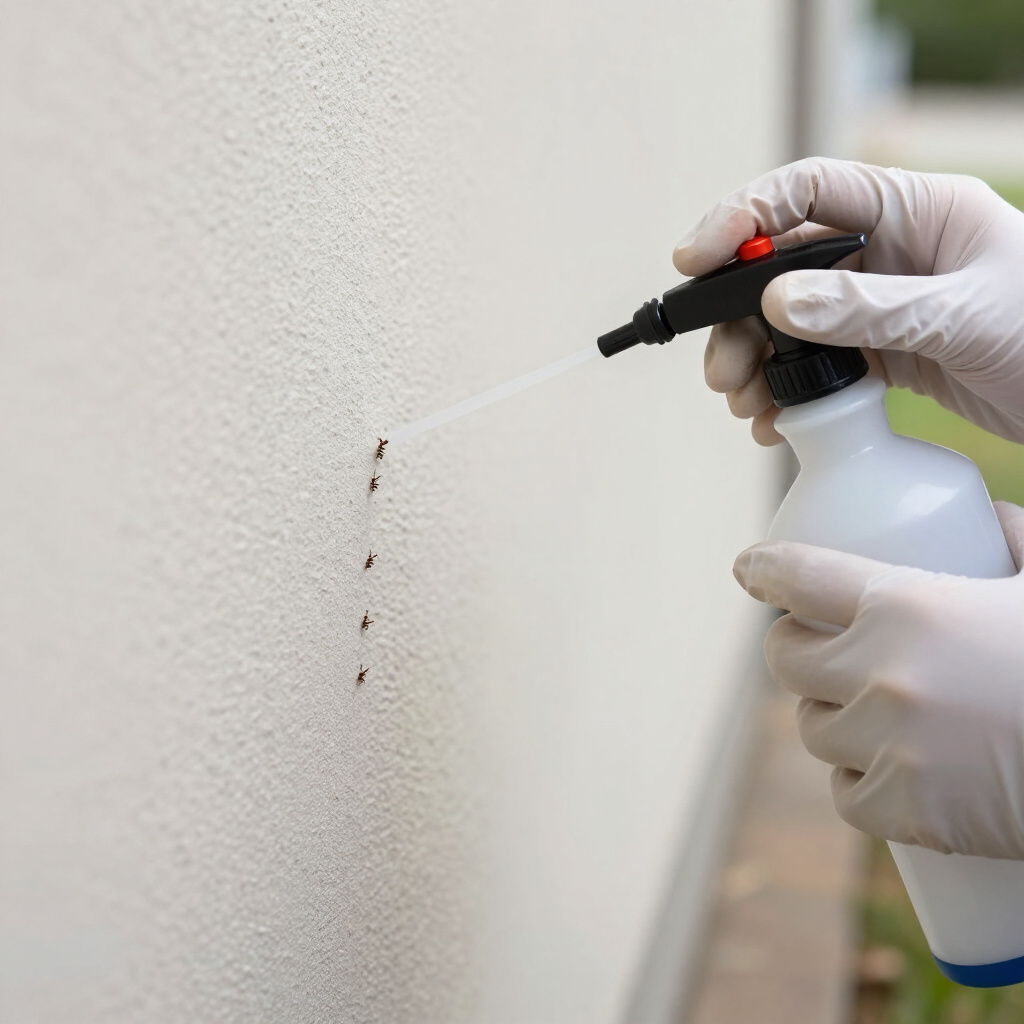
- Ant Management — Carpenter ant colony elimination, fire ant mound treatments, and nuisance ant control
- Rodent Control — Rat and mouse exclusion, trapping programs, and attic decontamination
- Mosquito Reduction — Breeding source treatment and barrier applications for residential properties
- Tick & Flea Programs — Perimeter treatments protecting pets and family members
- Stinging Insect Removal — Hornet, wasp, and yellow jacket nest elimination
- Wildlife Management — Humane trapping and exclusion for squirrels, raccoons, and bats
- General Pest Protection — Quarterly or bi-monthly perimeter programs covering spiders, roaches, crickets, and occasional invaders
All programs include re-treatment guarantees between scheduled visits and emergency response for covered pest issues.
Pest Control Pricing in the Woodfin Area
Service costs in Woodfin align with Buncombe County market rates, with adjustments for property-specific factors rather than arbitrary zip code pricing.
Initial general pest treatments typically range from $129 to $189 for average-sized homes, with larger riverfront properties or those with extensive wooded buffers toward the higher end. This covers comprehensive interior and exterior treatment, cobweb removal, and entry point assessment.
Ongoing protection plans offer the most value for Woodfin's seasonally variable pest pressure. Quarterly perimeter programs generally run $39 to $59 per month when paid annually, including unlimited re-treatments between scheduled visits. Bi-monthly service suits properties with heavier moisture issues or adjacent to protected woodlands.
Termite protection represents a distinct investment. Liquid barrier treatments for standard foundations average $800 to $1,400, while bait monitoring systems require lower upfront costs with annual monitoring fees. Real estate inspection letters (WDIR) cost $75 to $125 depending on property size and accessibility.
Wildlife and rodent exclusions vary substantially based on structure complexity. Basic attic sealing and trapping programs start around $350, with comprehensive home sealing projects reaching $1,500 or more for multi-story homes with multiple roofline access points.
Frequently Asked Questions
Do I need pest control year-round in Woodfin, or just during summer?
Year-round service is strongly recommended. Winter temperatures in Buncombe County rarely eliminate pests entirely—they simply shift activity indoors. Rodent pressure peaks November through March, while termites remain active in heated crawl spaces throughout winter. Discontinuing service leaves gaps in protection when pests are least visible but most destructive.
How does proximity to the French Broad River affect my pest risk?
River-adjacent properties experience elevated humidity that accelerates wood decay and attracts moisture-dependent pests. Standing water after floods or heavy rains spikes mosquito populations. However, proper drainage improvements, vapor barriers in crawl spaces, and targeted perimeter treatments effectively mitigate these risks without requiring more expensive service tiers.
Are the treatments safe for my garden and the river ecosystem?
Yes. We utilize application methods and product selections that minimize environmental impact, including targeted crack-and-crevice treatments rather than broadcast spraying, and reduced-risk formulations approved for sensitive areas. Our technicians are trained in North Carolina's pesticide regulations and calibrate equipment to prevent runoff toward waterways.