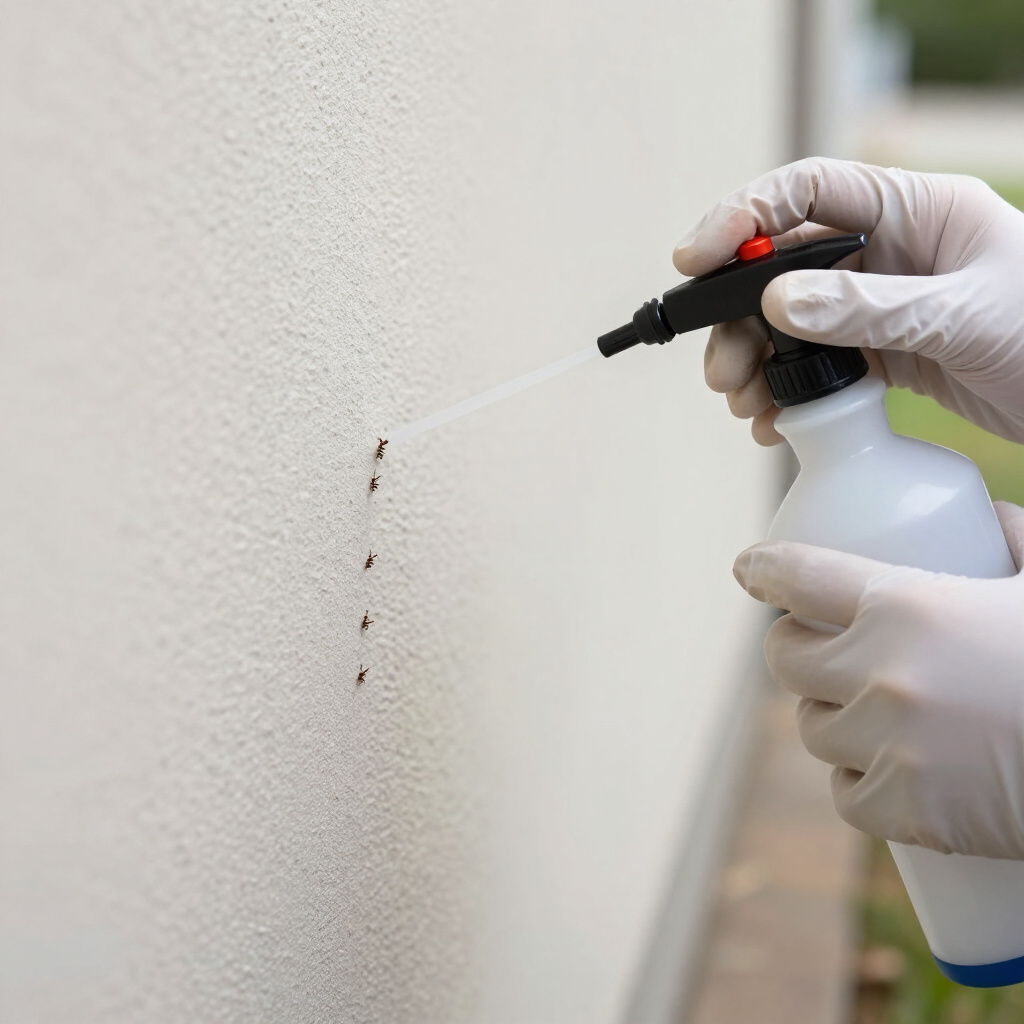


Pest Control Services in Thomasville, NC
Thomasville sits in the heart of Davidson County, where the Piedmont's warm, humid summers and mild winters create ideal conditions for pests to thrive year-round. From historic homes near Downtown Thomasville to newer subdivisions along National Highway, residents face pest pressures that demand localized expertise and consistent protection.
Our pest control programs for Thomasville properties address the specific challenges of this region. The area's mix of established neighborhoods with mature tree canopy, agricultural edges, and commercial corridors along I-85 attracts diverse pest activity. Ants, including odorous house ants and carpenter ants, remain among the most frequent invaders. Termites pose substantial risk to Thomasville's wooden structures, particularly in older homes with crawl spaces. Mosquitoes breed in the standing water that collects after Piedmont thunderstorms, while rodents exploit gaps in foundations and utility entries as temperatures drop.
We customize treatment strategies based on your property's age, construction type, and surrounding environment. Homes near Finch Park or the Thomasville Cemetery's mature oak and pine stands often require enhanced perimeter defense against spiders and occasional invaders like millipedes and centipedes. Properties adjacent to farmland or undeveloped lots typically see higher pressure from field mice, moles, and seasonal cricket outbreaks.
Our service routes cover all Thomasville ZIP codes, including 27360 and 27361, with scheduling flexibility for both residential and commercial accounts. We prioritize integrated pest management approaches—reducing conducive conditions, sealing entry points, and applying targeted treatments only where necessary. This methodology protects families, pets, and the local ecosystem while delivering lasting results.
Commercial pest control for Thomasville businesses follows equally rigorous standards. Restaurants along Randolph Street, retail centers, manufacturing facilities, and healthcare offices each receive protocols matched to their industry's regulatory requirements. We document all service visits for health department compliance and provide emergency response when pest issues threaten operations.
Frequently Asked Questions About Pest Control in Thomasville
What pests are most common in Thomasville homes?
Ants lead service calls throughout Davidson County, followed by spiders, cockroaches, and termites. Seasonal spikes bring mosquitoes in late spring through fall, while mice and rats increase indoor activity from October through March. Stinging insects such as yellow jackets and paper wasps frequently nest in eaves, sheds, and ornamental landscaping.
How often should Thomasville properties receive pest control treatments?
Most residential accounts benefit from quarterly maintenance programs, with exterior perimeter treatments every three months and interior inspections as needed. Homes with heavy tree coverage, water features, or previous infestations may require bi-monthly service during peak pest seasons. Commercial kitchens, food processing facilities, and healthcare environments typically need monthly or more frequent visits to maintain compliance.
Are termites a serious concern in the Thomasville area?
Yes. Eastern subterranean termites are endemic throughout Davidson County and cause significant structural damage when left untreated. The Piedmont's clay soils and moderate moisture levels support robust termite colonies. We recommend annual termite inspections for all Thomasville properties, with liquid barrier treatments or baiting systems for prevention. Real estate transactions in North Carolina require Wood-Destroying Insect Reports, which our licensed inspectors provide.
What should I do between scheduled pest control visits?
Eliminate standing water in gutters, flowerpot saucers, and yard debris to reduce mosquito and breeding sites. Store firewood at least twenty feet from foundations and elevate it off the ground. Seal cracks around windows, doors, and utility penetrations with appropriate caulk or weatherstripping. Keep kitchen surfaces clean, store pantry items in sealed containers, and manage garbage with tight-fitting lids. Report any new pest activity promptly so we can adjust your program before problems escalate.