
Pest Control Services in St. James, NC
St. James sits along the Cape Fear River in Brunswick County, where the warm, humid climate and abundant waterways create ideal conditions for pests to thrive year-round. Whether you live in one of the area's planned communities or along the riverfront, professional pest management helps protect your property from the region's most persistent invaders.
Our technicians understand the specific challenges St. James homeowners face. The combination of marshy lowlands, mature pine forests, and proximity to both the river and the Atlantic means pests here behave differently than they do inland. We tailor treatments to address seasonal surges in mosquito activity, the subterranean termite pressure common to coastal North Carolina, and the rodent issues that intensify after tropical weather events.
Common Pest Concerns for St. James Properties
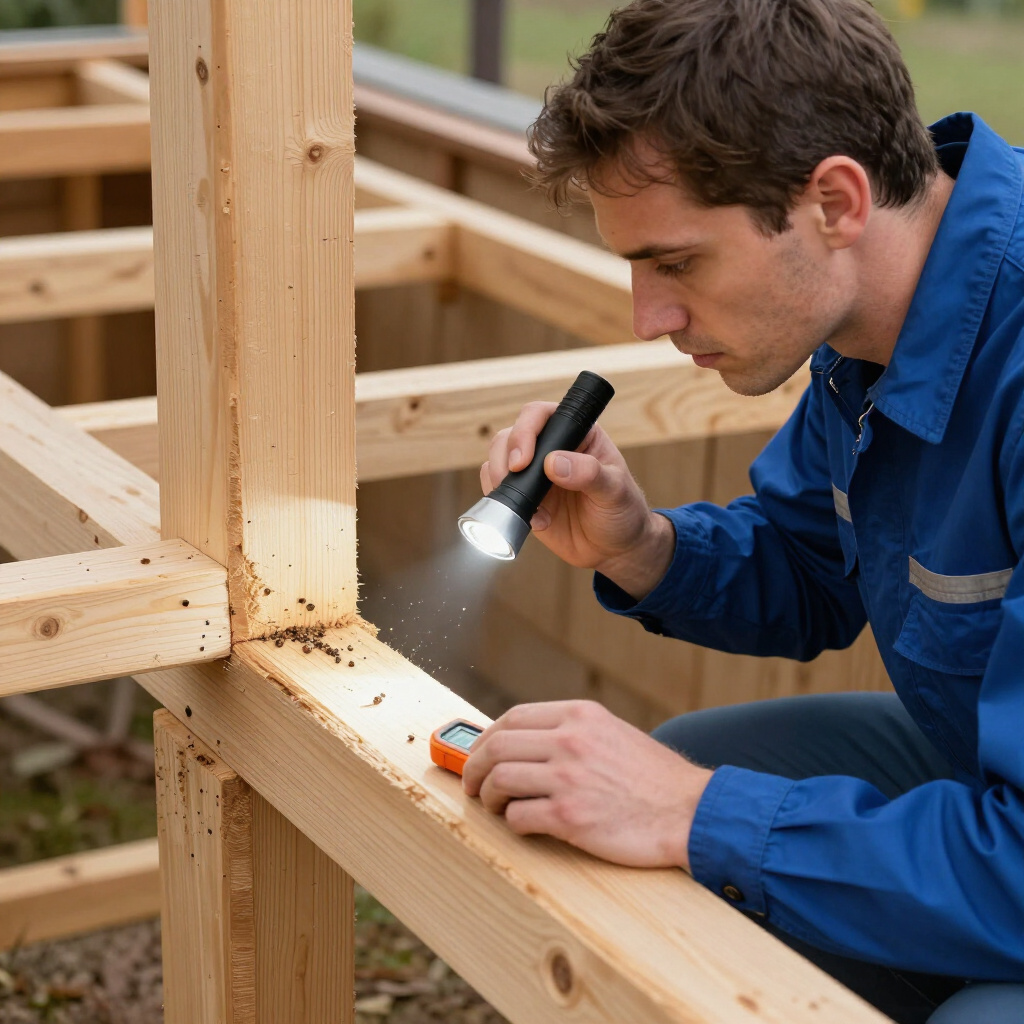
Termites rank among the most destructive threats to homes in Brunswick County. Eastern subterranean termites and Formosan termites both establish colonies in our area, often entering through foundation cracks or wood-to-soil contact points. Regular inspections catch early activity before structural damage accumulates.
Mosquitoes present more than a nuisance during St. James's extended warm season. Species capable of transmitting West Nile virus and eastern equine encephalitis breed in standing water throughout local wetlands, retention ponds, and even clogged gutters. Targeted larval treatments and adult barrier applications reduce populations around outdoor living spaces.
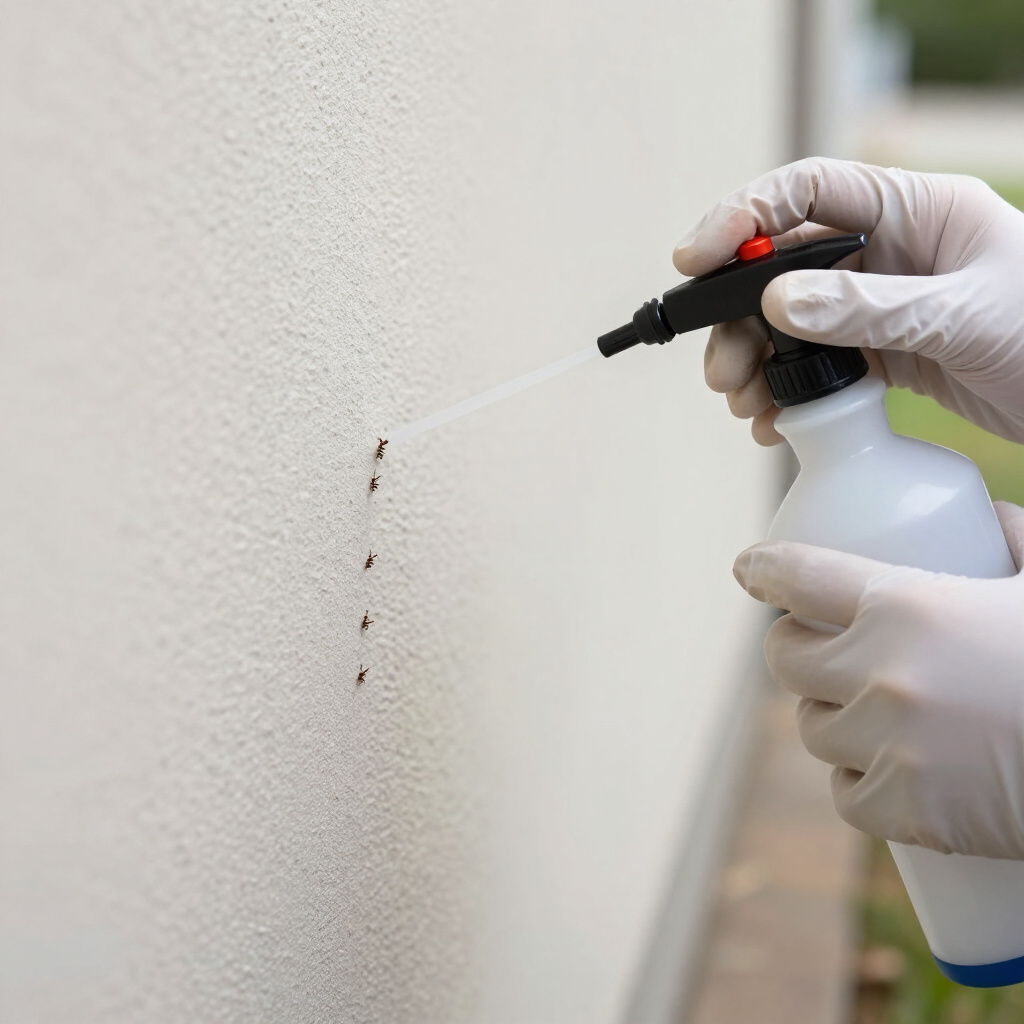
Ant control requires species-specific approaches here. Fire ants build mounds in sunny, open areas of lawns and can pose serious risks to children and pets. Argentine ants and odorous house ants trail into kitchens seeking moisture and food. Carpenter ants, though less common, excavate moist wood and indicate underlying moisture problems.
Seasonal invaders including palmetto bugs, silverfish, and occasional invaders like millipedes push indoors when weather shifts. Rodent activity increases notably from late fall through winter as mice and rats seek shelter from cooler temperatures and coastal storms.
Approaches for Coastal Brunswick County Conditions
Effective pest management in St. James accounts for environmental sensitivity near waterways and wetlands. We prioritize targeted applications, integrated pest management principles, and products selected for efficacy with reduced environmental impact where appropriate. Exterior perimeter treatments form defensive barriers, while interior spot treatments address active infestations with precision.
Moisture management complements chemical controls in this climate. Crawl space encapsulation, proper drainage, and ventilation improvements eliminate conditions that attract wood-destroying organisms and many crawling pests. Our inspections identify these contributing factors so recommendations address root causes, not just symptoms.
Service Scheduling for Year-Round Protection
Quarterly maintenance programs provide the most reliable protection for St. James homes, with treatments timed to seasonal pest pressure shifts. Spring services target emerging ant colonies and early mosquito breeding. Summer applications focus on peak mosquito and flying insect activity. Fall treatments emphasize perimeter defense against overwintering invaders. Winter services concentrate on interior monitoring and rodent prevention.
One-time treatments address specific, identified problems for homeowners who prefer reactive service. However, the persistent warmth and moisture in Brunswick County mean pest populations rebound quickly without ongoing management.
Frequently Asked Questions About Pest Control in St. James, NC
What pests are most problematic in St. James compared to inland Brunswick County areas?
Coastal proximity increases mosquito species diversity and extends their active season significantly. Salt marsh mosquitoes and container-breeding species both flourish here. Termite pressure runs higher due to sandy, well-drained soils that facilitate subterranean colony movement. Palmetto bugs (American cockroaches) occur more frequently near marshy and wooded areas than in developed inland sections of the county.
How does hurricane season affect pest activity in St. James?
Tropical systems and heavy rainfall dramatically alter pest behavior. Flooding displaces rodents, snakes, and fire ants, often driving them into structures for dry shelter. Standing water from storm surge and rainfall creates massive mosquito breeding surges within days. Downed trees and debris provide harborage for multiple pest species. Post-storm inspections and accelerated treatment schedules help manage these population spikes.
Are termite bonds or protection plans recommended for St. James homes?
Given the significant Formosan and subterranean termite activity throughout coastal North Carolina, protection plans provide substantial value. These agreements typically include annual inspections, treatment if activity is detected, and in some cases, repair coverage for qualifying damage. Lenders often require documentation of active protection when properties sell. The investment particularly makes sense for homes with crawl spaces, wood siding, or extensive landscaping mulch.
What should homeowners do between professional treatments?
Reduce conducive conditions by eliminating standing water in plant saucers, birdbaths, and clogged drainage areas. Maintain gutters and downspouts to prevent moisture accumulation near foundations. Store firewood off the ground and away from exterior walls. Seal gaps around utility penetrations, door sweeps, and window screens. Keep vegetation trimmed back from the structure to eliminate pest highways and improve air circulation. These measures extend treatment effectiveness and reduce reinvasion pressure.