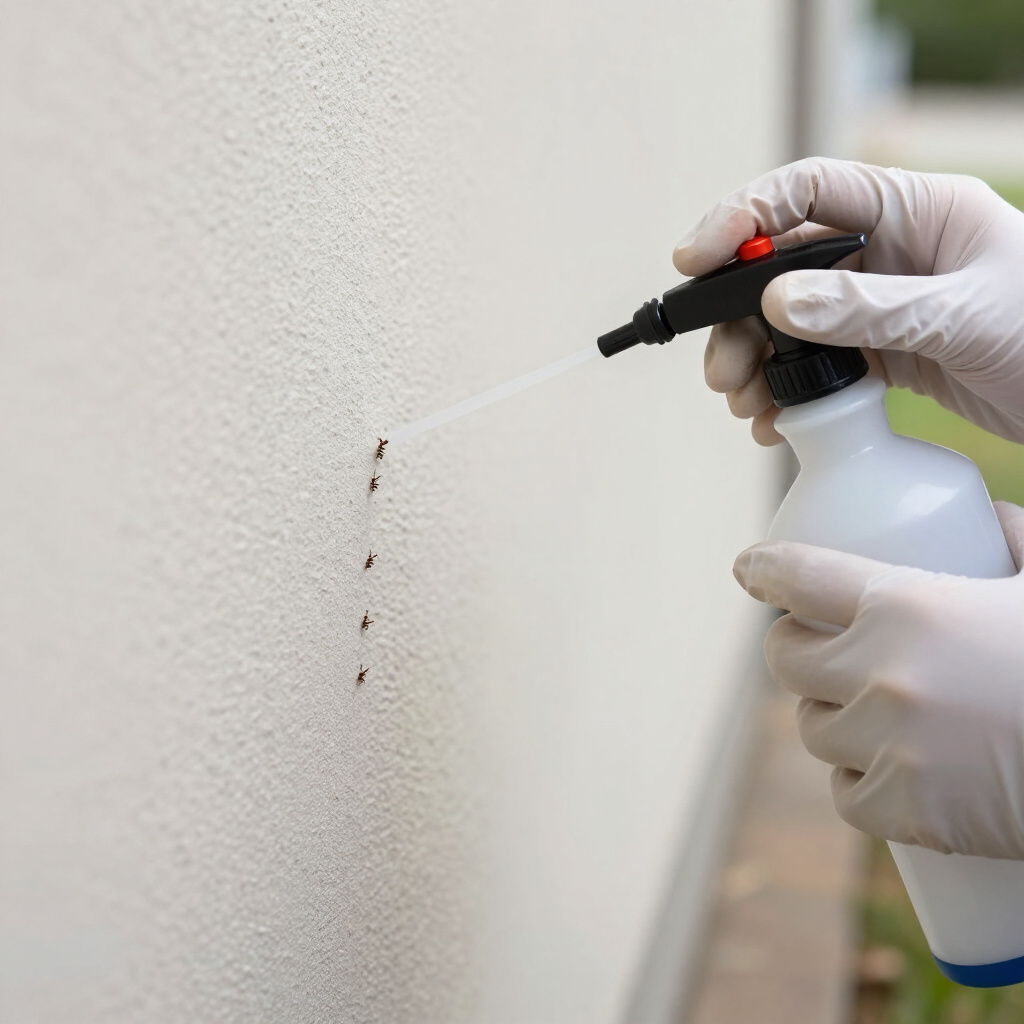


Pest Control Services in Rolesville, NC
Rolesville's rapid growth and mix of established neighborhoods and new construction create unique pest control challenges for homeowners and businesses throughout this Wake County community. As North Carolina's oldest chartered town, Rolesville features diverse housing stock—from historic properties near Main Street to modern subdivisions developing along the town's expanding borders. Our pest management professionals understand how Rolesville's location between the Neuse River basin and urban Wake Forest influences local pest pressures, delivering targeted solutions that account for seasonal patterns, soil conditions, and neighborhood-specific factors.
Residents in Rolesville commonly encounter pest issues tied to the area's wooded lots, creek drainage systems, and the ongoing development that disturbs existing wildlife habitats. Carpenter ants thrive in the mature hardwood trees that define many older properties, while subterranean termites present year-round threats to both historic and newly built structures. Mosquito populations flourish near standing water in creek beds and retention ponds, particularly during North Carolina's humid summer months. Our technicians also address increasing calls for rodent control as construction activity pushes field mice and rats toward residential areas seeking shelter.
We provide comprehensive pest control programs designed specifically for Rolesville's environment, including quarterly perimeter treatments, termite monitoring and protection plans, mosquito reduction services for outdoor living spaces, and specialized solutions for fire ants, spiders, and occasional invaders like stink bugs and boxelder bugs. Each treatment plan begins with a thorough property inspection identifying entry points, harborage areas, and conducive conditions that may attract pests to your home or business.
Common Pest Issues in Rolesville
The transition zones between Rolesville's residential neighborhoods and remaining agricultural or undeveloped land intensify certain pest encounters. Homeowners near the town's edges frequently report problems with ticks and fleas carried by deer and wildlife that traverse between properties. Fire ant mounds establish aggressively in sunny lawns and along driveways, posing risks to children and pets. During cooler months, rodents exploit foundation gaps and utility penetrations in homes of any age, while spider activity increases in basements, crawl spaces, and garages.
New construction in Rolesville presents distinct pest vulnerabilities. Disturbed soil during development often disrupts existing termite colonies, potentially redirecting them toward completed homes. Landscaping materials and fill dirt introduced during building may harbor ant colonies or millipede populations that emerge months after move-in. Our pre-treatment and post-construction pest services help protect these investments before problems establish.
Commercial properties in Rolesville's growing business corridors along Main Street and Highway 401 require discreet, effective pest management that protects reputation and regulatory compliance. We service restaurants, medical offices, retail spaces, and warehouses with customized programs addressing the specific pest risks of each industry.
Frequently Asked Questions About Pest Control in Rolesville
What pests are most problematic in Rolesville compared to other Wake County towns?
Rolesville's combination of historic housing, new development, and wooded transition zones creates elevated pressure from termites, carpenter ants, and ticks relative to more urbanized Wake County communities. The town's deer population, among North Carolina's densest per square mile, contributes to significant tick concerns for properties near greenway corridors or undeveloped parcels. New construction areas experience higher initial spider and occasional invader activity as habitats stabilize. Compared to river-adjacent towns like Knightdale, Rolesville sees fewer moisture-dependent pests but more wildlife-integrated challenges.
How often should Rolesville homes receive professional pest treatments?
Most Rolesville residences benefit from quarterly exterior perimeter treatments as the foundation of preventive pest control. This schedule aligns with seasonal pest cycles: spring emergence for ants and termite swarmers, summer peak for mosquitoes and spiders, fall rodent migration, and winter indoor pest pressures. Properties with wooded lots, water features, or history of significant infestations may require monthly service initially. Historic homes often need more frequent monitoring for termite activity due to construction characteristics and aging protective barriers.
Are termite problems common in Rolesville's newer neighborhoods?
Yes. Eastern subterranean termites are endemic throughout Wake County, including Rolesville's newest subdivisions. Pre-construction soil treatments degrade over time—typically within 5-10 years—and do not guarantee perpetual protection. The lumber used in construction, combined with landscaping that creates soil-to-wood contact, provides accessible food sources. We strongly recommend annual termite inspections for all Rolesville homes, with supplemental monitoring systems or renewal treatments as original pretreatments age. Many homeowners discover termite damage only after significant structural compromise, making proactive inspection far more economical than repair.
What should I do if pests return between scheduled treatments?
Our service agreements include unlimited callbacks between scheduled visits at no additional charge. Contact our office promptly when you notice pest resurgence—delaying allows populations to rebound and makes subsequent control more difficult. For Rolesville customers, we typically schedule callback appointments within 48 hours, often sooner for urgent issues like stinging insects or interior rodent activity. Callback visits include identifying why breakthrough occurred—weather conditions, new entry points, or landscaping changes—and adjusting the treatment approach to prevent recurrence.