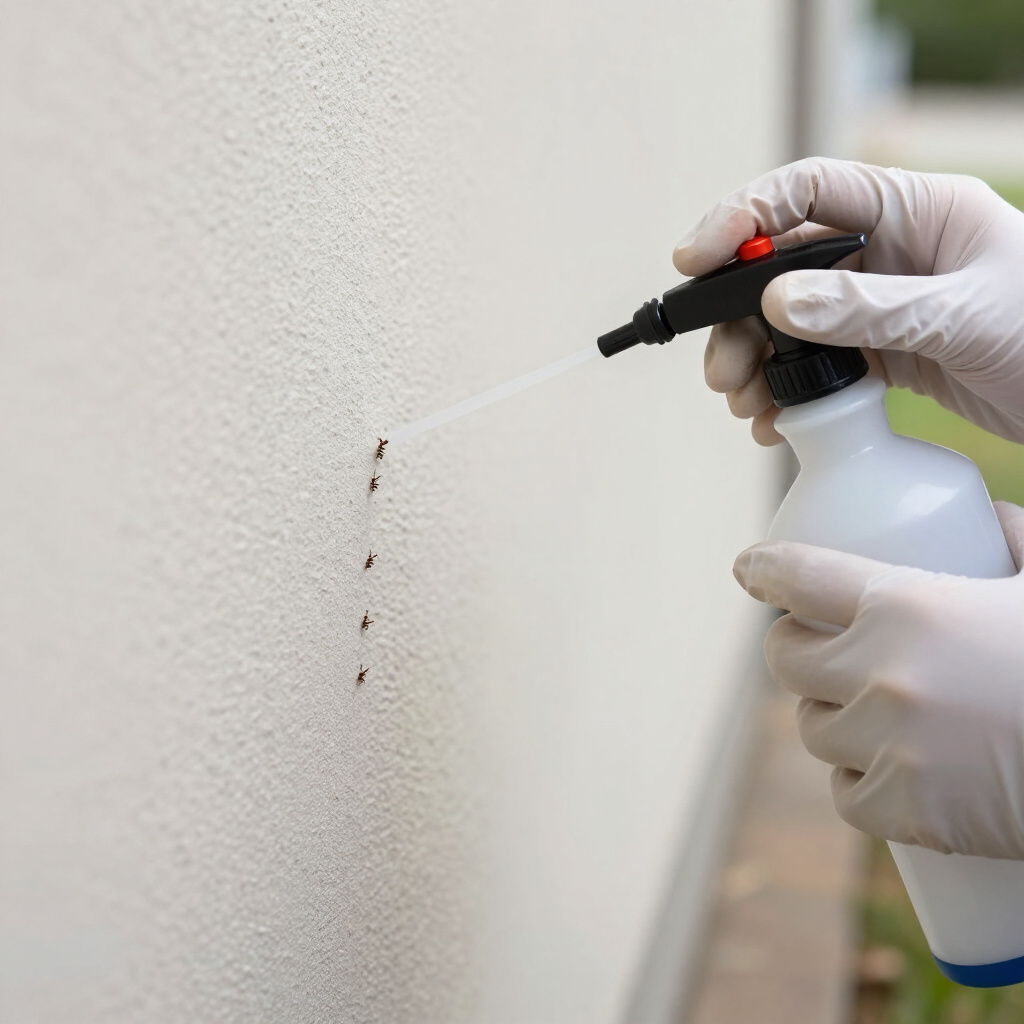


How to Choose a Pest Control Professional in Hope Mills
Finding the right pest control provider in Hope Mills means understanding what works specifically for Cumberland County conditions. The subtropical climate and proximity to the Cape Fear River create unique pest pressures that differ from inland North Carolina towns.
Start with local licensing and certification. North Carolina requires pest control technicians to hold licenses through the NC Department of Agriculture and Consumer Services. Ask for proof of licensure and verify it covers structural pest control—the category handling homes and businesses.
Experience with regional pest patterns matters significantly. Hope Mills properties face recurring issues with moisture-loving pests due to high humidity and seasonal flooding near Little Rockfish Creek. Providers familiar with Cumberland County's watershed dynamics can identify entry points and conducive conditions that outsiders might miss.
Request integrated pest management (IPM) approaches rather than blanket chemical treatments. Quality professionals inspect first, identify species accurately, and tailor solutions. They should explain why specific treatments suit your property type—whether you're in a historic home near downtown or newer construction off Highway 162.
Check service guarantees and follow-up protocols. Reputable companies stand behind their work with retreatment policies if pests return between scheduled visits. Ask specifically about their response timeline for Cumberland County customers and whether they offer seasonal maintenance plans aligned with local breeding cycles.
What to Expect from Pest Control Services in Hope Mills
Understanding the service process helps you prepare and evaluate results effectively. Most professional engagements follow a structured approach adapted to your property's needs.
Initial inspection and assessment typically takes 45-90 minutes for residential properties. Technicians examine interior spaces, crawl spaces, attics, and the exterior perimeter. In Hope Mills, they pay special attention to foundation moisture, wood-to-ground contact points, and vegetation overgrowth common in established neighborhoods.
Customized treatment plan presentation follows inspection. Expect documentation of findings, identified pest species (or evidence thereof), recommended interventions, and preventive measures. This should include upfront pricing without surprise fees.
Treatment execution varies by pest type and infestation severity. Exterior barrier applications, targeted interior treatments, moisture control recommendations, and exclusion work (sealing entry points) may all factor in. Cumberland County's extended warm season often necessitates more frequent exterior maintenance than northern climates.
Follow-up and monitoring complete professional service. Most providers schedule return visits to assess effectiveness, particularly for persistent pests like termites, ants, and rodents. Ask how they track activity over time and adjust strategies seasonally.
Available Pest Control Services
Hope Mills residents and business owners can access comprehensive pest management solutions addressing the full spectrum of local threats.
Residential Pest Control
Home protection plans cover common invaders including ants, cockroaches, spiders, silverfish, and occasional invaders like millipedes and earwigs. Programs typically operate on quarterly or bi-monthly schedules with unlimited service calls between visits.
Termite Control and Prevention
Formosan and eastern subterranean termites pose substantial risk to Cumberland County structures. Services include liquid barrier treatments, baiting systems, and wood-destroying organism (WDO) inspections required for real estate transactions.
Rodent Management
Rats and mice exploit crawl spaces and aging infrastructure common in parts of Hope Mills. Effective control combines exclusion, trapping, and population reduction with sanitation recommendations.
Mosquito and Tick Reduction
Outdoor living season demands targeted breeding site elimination and adulticide applications for yards, particularly properties backing up to wooded areas or water features.
Commercial Pest Control
Restaurants, retail, healthcare, and industrial facilities receive industry-compliant programs with documentation for audits and regulatory requirements.
Specialty Services
Bed bug heat treatment, wildlife removal (squirrels, raccoons, bats), and stinging insect nest removal address specific, often urgent, situations requiring specialized expertise.
Frequently Asked Questions
How often should I schedule pest control in Hope Mills?
Most properties benefit from quarterly service due to Cumberland County's long warm season and high humidity. Homes near water or with crawl space moisture issues may need bi-monthly visits during peak pest activity from March through October.
Are pest control treatments safe for pets and children?
Modern professional products apply at concentrations specifically formulated for residential safety. Reputable providers use targeted application methods—crack-and-crevice treatments, exterior barriers, and bait stations rather than broad indoor spraying. Your technician should provide specific re-entry timing and any temporary precautions.
What pests are most problematic in Hope Mills specifically?
Cumberland County's climate and geography favor moisture-dependent pests: subterranean termites, carpenter ants, American cockroaches, and mosquitoes thrive here. The area's mature tree canopy also supports abundant spider populations and occasional wildlife intrusion from nearby green spaces.