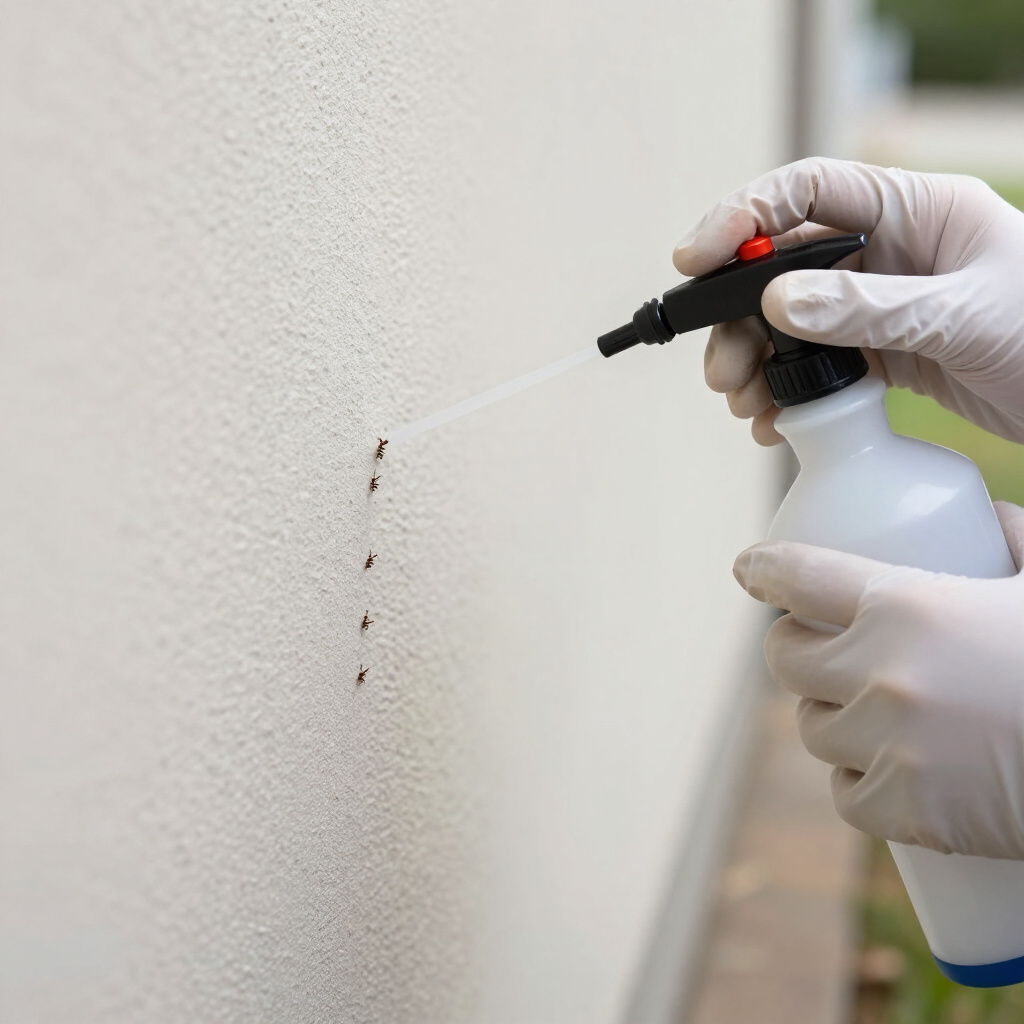


How to Choose a Pest Control Professional in Gibsonville
Finding the right pest control provider in Gibsonville means looking beyond flashy promises to what actually matters for your property. In Alamance County, where humid summers and mild winters create year-round pest pressure, experience with local conditions counts for everything.
Start by verifying proper licensing through the North Carolina Department of Agriculture and Consumer Services. Any legitimate operator carrying restricted-use pesticides must hold a commercial applicator license. Ask for your technician's specific certification number and confirm it's current.
Local knowledge matters more than you might expect. Gibsonville sits at the intersection of suburban development and remaining agricultural land, which creates unique pest corridors. Professionals who understand how rodents move from cornfields into neighborhoods, or how termites behave in the clay-heavy soils common to eastern Alamance County, deliver faster, more lasting results than national chains working from generic protocols.
Request a written inspection report before any treatment begins. Reputable companies document evidence of infestation, propose targeted solutions, and explain why broad-spectrum spraying isn't always necessary. In Gibsonville's older homes near downtown, this precision protects original woodwork and prevents unnecessary chemical exposure.
Finally, check whether the company carries adequate liability insurance and offers service guarantees. The humid subtropical climate here means recurring issues aren't unusual—a provider willing to return between scheduled visits without additional charges demonstrates confidence in their work.
What to Expect from Pest Control Services in Gibsonville
Your first service call typically begins with a thorough exterior and interior inspection. Technicians examine foundation gaps, attic spaces, crawl spaces, and moisture-prone areas like bathrooms and kitchens. In Gibsonville's established neighborhoods, they'll pay special attention to mature landscaping that may harbor carpenter ants or create bridges for wildlife to access roofs.
The inspection findings determine treatment approach. For active infestations, technicians usually address immediate problems first—perhaps baiting for ants, trapping for rodents, or applying targeted termiticide. Preventive perimeter treatments follow, creating barriers at entry points rather than blanket-spraying entire properties.
Most residential programs in Alamance County operate on quarterly schedules, with additional visits available for breakthrough activity. Between appointments, you should receive documentation of services performed, products used, and any recommendations for structural repairs or environmental modifications that would reduce future pest pressure.
Expect honest communication about realistic timeframes. Some problems resolve quickly; others, particularly German cockroach infestations or established termite colonies, require multiple visits over months. Your technician should explain what success looks like and how you'll measure it together.
Available Pest Control Services
Gibsonville residents can access comprehensive pest management covering the full spectrum of regional threats. General pest control handles the most common invaders: ants, spiders, cockroaches, silverfish, and occasional invaders like millipedes and earwigs. These programs work well for ongoing maintenance in single-family homes and rental properties throughout town.
Termite protection deserves particular attention in this area. Eastern subterranean termites remain active across Alamance County, and the species' cryptic habits mean significant damage often occurs before visible evidence appears. Both liquid barrier treatments and baiting systems are available, with selection depending on your home's construction, soil conditions, and your preference for ongoing monitoring versus periodic reapplication.
Rodent control addresses mice and rats that exploit Gibsonville's mix of residential density and nearby farmland. Effective programs combine trapping, exclusion work to seal entry points, and environmental management to reduce attractants. attic and crawl space remediation may be recommended where insulation contamination has occurred.
Mosquito and tick reduction services have grown increasingly popular, particularly for properties backing onto wooded areas or with significant ornamental plantings. These typically involve monthly treatments during peak season, targeting breeding sites and resting areas rather than broad aerial application.
Specialized services include bed bug elimination using heat treatment or targeted insecticide, wildlife removal for squirrels, raccoons, and opossums, and stinging insect nest relocation or destruction. Commercial properties throughout Gibsonville's small business corridor can arrange customized programs addressing the specific challenges of food service, retail, and warehouse environments.
Frequently Asked Questions
How quickly can I get pest control service in Gibsonville?
Most providers offer appointments within 1-3 business days for non-emergency situations. Same-day service is often available for urgent issues like wasp nests near entryways or severe indoor infestations.
Are pest control treatments safe for my pets and children?
Modern pesticides used by licensed professionals pose minimal risk when applied according to label directions. Reputable technicians will advise you on any temporary precautions, such as keeping pets off treated lawns until dry, and can adjust product selection for households with specific health sensitivities.
Why do I see more pests after my first treatment?
Temporary increased activity is common and actually indicates the treatment is working. Disturbed pests become more visible as they exit harborage areas. This effect typically subsides within 7-10 days as the population declines.
Do I need year-round pest control in Gibsonville?
While not every property requires year-round service, North Carolina's climate supports continuous pest activity. Quarterly maintenance prevents the population buildup that leads to noticeable infestations and typically costs less than addressing crises reactively.
What's the difference between pest control and wildlife removal?
Pest control addresses insects and certain arthropods under structural pest control regulations. Wildlife removal involves mammals, birds, and reptiles, requiring different licensing through the North Carolina Wildlife Resources Commission. Some companies hold both; others partner with specialists for wildlife calls.