
Termites are among the most destructive pests a homeowner can face, causing billions of dollars in property damage each year across the United States. What's particularly troubling is that these silent destroyers often work undetected for months or even years, chewing through wood, flooring, and even wallpaper without obvious warning signs. By the time many homeowners realize they have a problem, extensive—and expensive—damage has already occurred. Knowing the early signs you may have termites can mean the difference between a manageable treatment and a major structural repair. This guide will walk you through the most common indicators that termites have taken up residence in your home, so you can act quickly to protect your investment.
Signs You May Have Termites: Physical Evidence to Watch For
One of the most reliable ways to detect a termite infestation is to look for the physical traces these insects leave behind. Being attentive to these details during routine home maintenance can help you catch an infestation in its earliest stages.
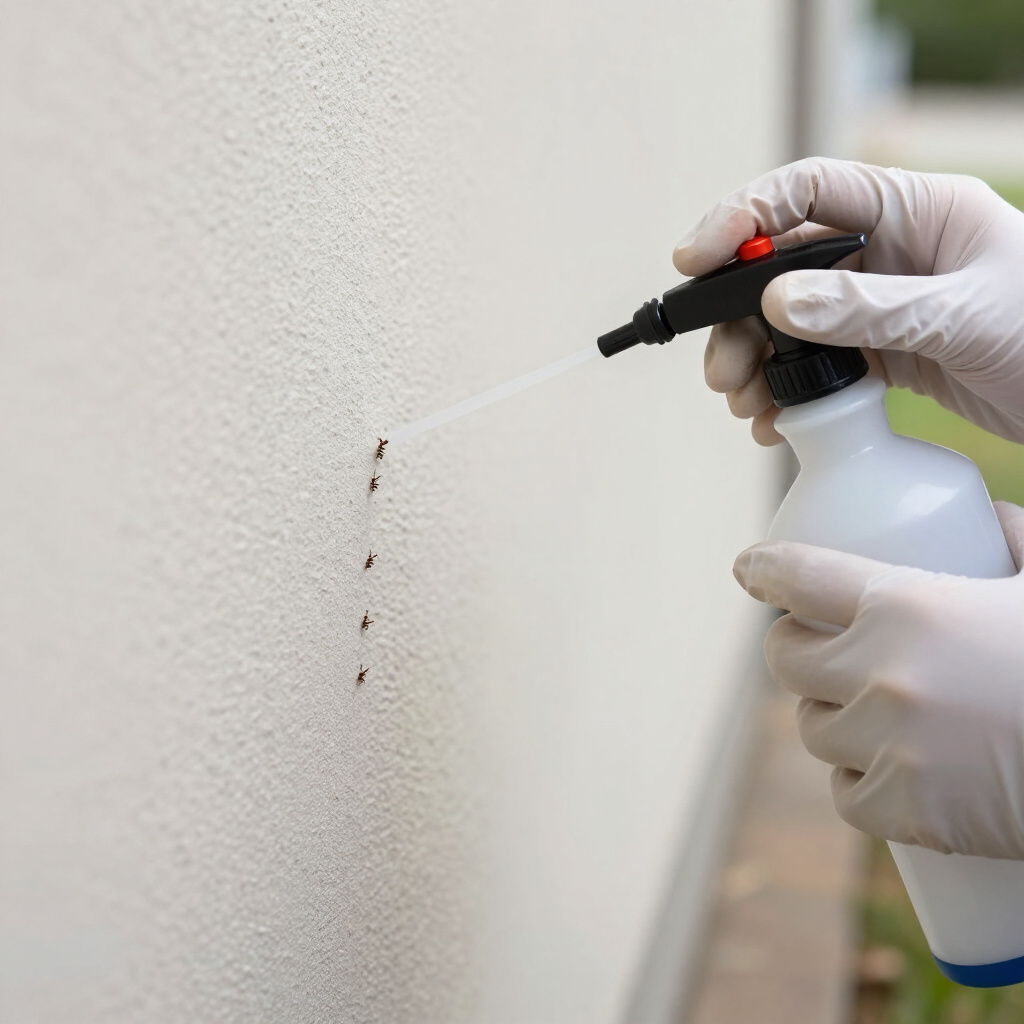
Mud tubes are perhaps the most definitive sign of subterranean termite activity. These pencil-thin tunnels made of soil, wood particles, and saliva allow termites to travel between their underground colony and their food source while protecting them from dry air and predators. Check for mud tubes along your foundation walls, crawl spaces, basement areas, and any exterior concrete or masonry surfaces. Breaking open a mud tube and finding live, creamy-white insects confirms active termite presence.
Discarded wings near windowsills, door frames, or light fixtures indicate a termite swarm has occurred. Reproductive termites, called swarmers, emerge in spring to establish new colonies. After mating, they shed their wings, which resemble tiny fish scales in piles. Finding these wings indoors is a strong indicator that a colony exists within or immediately adjacent to your home.
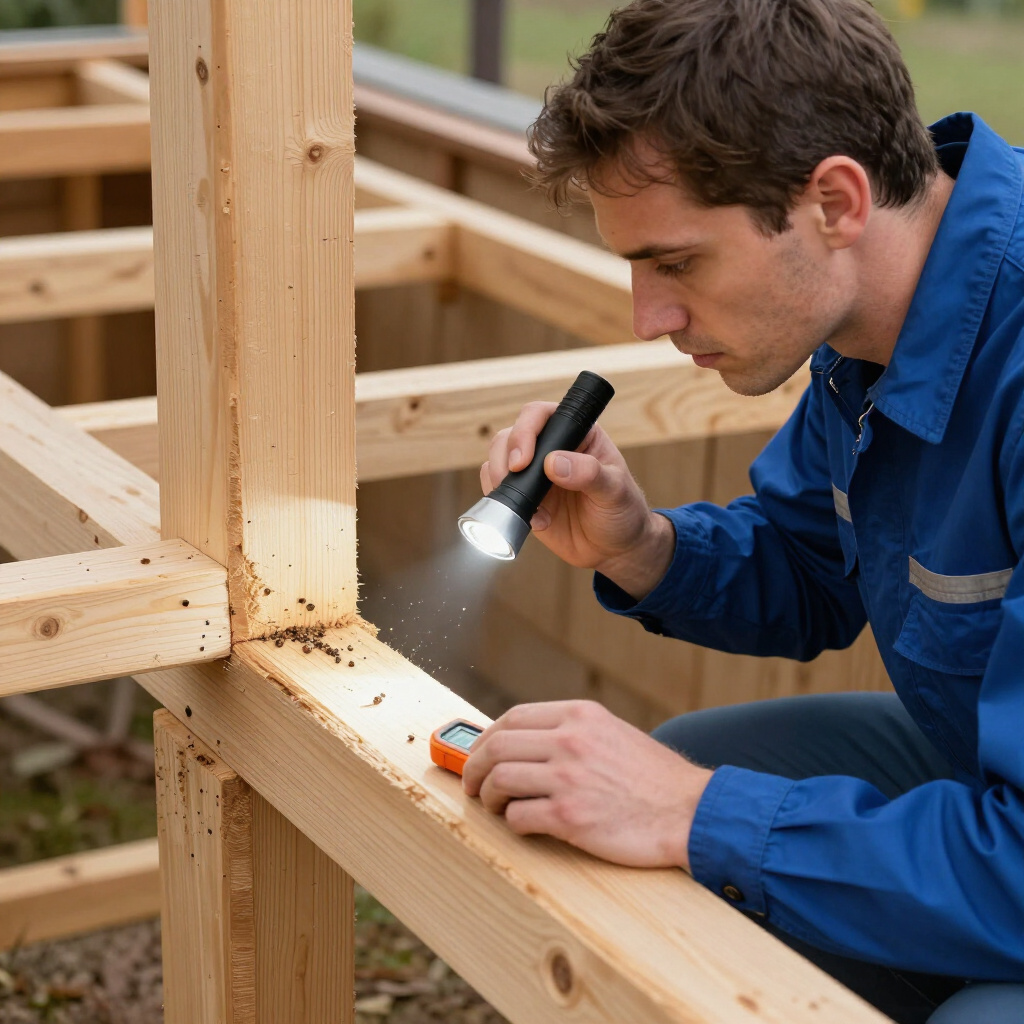
Frass, or termite droppings, appears as small, wood-colored pellets resembling sawdust or coffee grounds. Drywood termites push these excrement pellets out of small kick-out holes in the wood they're infesting. You might find frass accumulating on floors or windowsills beneath damaged wood members.
Other physical warning signs include blistered or bubbling paint, which can indicate moisture buildup from termite activity beneath the surface, and hollow-sounding wood when tapped. If a solid wooden structure suddenly sounds papery or empty, termites may have eaten away the interior while leaving a thin veneer intact.
Structural and Environmental Indicators
Beyond the direct evidence termites leave, certain changes in your home's structure and surrounding environment can also signal an active infestation. These indicators often develop gradually, making regular inspection especially valuable.
Sagging floors and ceilings may develop as termites compromise the structural integrity of load-bearing wooden elements. Doors and windows that suddenly become difficult to open or close can indicate warping from termite-damaged frames or moisture associated with their activity. While these issues can stem from other causes, they warrant immediate investigation when they appear without explanation.
Clicking sounds within walls might seem like something from a horror film, but they're a real phenomenon. Soldier termites bang their heads against wood or shake their bodies to signal danger to the colony, creating audible clicking noises. If you press your ear against a wall and hear distinctive tapping, especially at night when termites are most active, it's time to call a professional.
Your home's exterior environment can also provide clues. Dead trees or stumps near your property often harbor termite colonies that can eventually expand to your home. Similarly, wooden structures in direct contact with soil—such as fence posts, deck supports, or firewood piles stacked against the house—create ideal bridges for termites to access your home. Excessive moisture from poor drainage, leaky gutters, or plumbing issues further attracts these moisture-dependent pests.
Swarmers emerging inside your home represents one of the most alarming environmental signs. Unlike ants, which might occasionally wander indoors, termite swarmers inside almost always mean an established colony is present within the structure. These winged reproductives are poor fliers and typically travel only short distances from their birthplace.
Key Tips for Early Detection and Prevention
Proactive vigilance significantly improves your chances of catching termites before catastrophic damage occurs. Implement these practices to stay ahead of potential infestations.
Conduct annual professional inspections even if you've never noticed signs of termites. Licensed pest control professionals have the training, tools, and experience to detect activity in inaccessible areas like crawl spaces, wall voids, and attics. Many companies offer free or low-cost inspections, making this a worthwhile investment in peace of mind.
Perform your own quarterly visual inspections of accessible areas. Use a flashlight to examine basements, crawl spaces, and garages. Pay special attention to where wood meets concrete or soil. Probe suspicious areas gently with a screwdriver—soft, easily penetrated wood often indicates active damage.
Eliminate moisture problems throughout your property. Repair leaking faucets, pipes, and air conditioning units promptly. Ensure gutters and downspouts direct water away from your foundation. Improve ventilation in crawl spaces and attics to reduce humidity levels that attract termites.
Create physical barriers between soil and wooden structures. Maintain at least six inches of clearance between soil and any wood siding or trim. Use concrete or metal supports for decks, fences, and other outdoor structures. Store firewood, lumber, and mulch at least twenty feet from your home's foundation and elevate these materials off the ground.
Consider preventative treatments if you live in a high-risk area or have previously experienced termite problems. Liquid soil treatments, baiting systems, and boron-based wood treatments can provide long-term protection when properly installed and maintained by qualified professionals.
Final Thoughts
Recognizing the signs you may have termites early can save you thousands of dollars in repair costs and preserve your home's structural integrity for decades to come. Whether you've discovered mud tubes along your foundation, mysterious piles of discarded wings, or simply want to establish a preventative maintenance routine, taking action now is essential. Termite damage progresses relentlessly but silently—these insects never sleep and never take breaks from feeding.
If you've observed any of the warning signs discussed here, resist the temptation to handle treatment yourself. Over-the-counter solutions rarely eliminate entire colonies and can inadvertently cause termites to spread to previously unaffected areas, complicating professional treatment later. Instead, contact a licensed pest management professional who can accurately identify the termite species, assess the extent of infestation, and recommend an integrated treatment plan tailored to your specific situation.
Your home represents one of your most significant investments. Protecting it from termites requires awareness, consistent inspection, and prompt professional intervention when problems arise. By staying informed and vigilant, you can ensure that these hidden invaders never gain the upper hand.