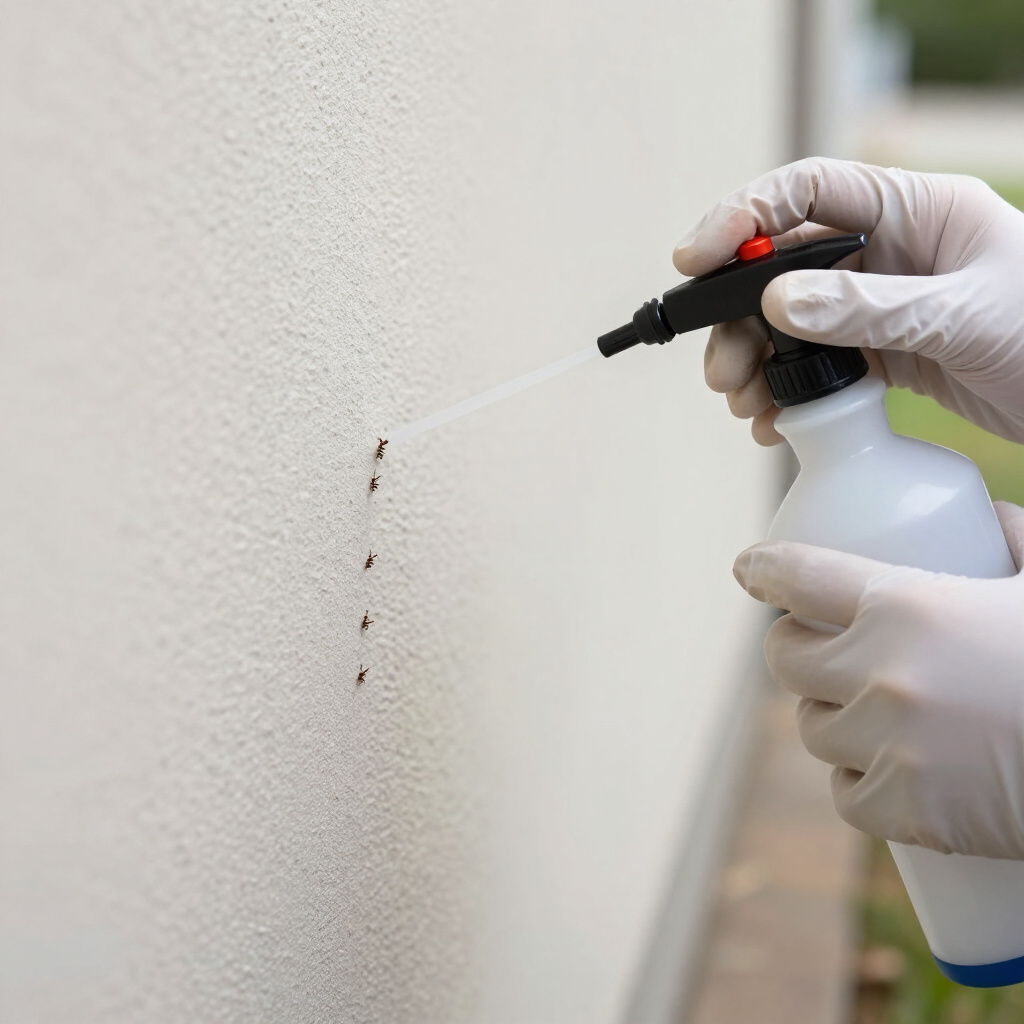


Your home changes with the seasons—and so do the pests trying to get inside. From ants marching through summer kitchens to rodents seeking winter shelter, each time of year brings its own unwanted visitors. A proactive, seasonal approach to pest management keeps infestations from taking hold and saves you the stress of reactive extermination. Here's your year-round roadmap to a protected home.
Why a Seasonal Pest Control Checklist Matters
A seasonal pest control checklist isn't just about convenience—it's about timing. Pests follow predictable patterns driven by temperature, moisture, and breeding cycles. When you anticipate what they're doing before they do it, you stay ahead of problems rather than scrambling to fix them.
Spring awakening isn't limited to your garden. Colonies that survived winter start expanding rapidly. Summer heat drives insects indoors for moisture and cooler air. Fall triggers a frantic search for winter harborage. And winter itself? That's when hidden infestations quietly grow in wall voids and attics. Matching your prevention efforts to these rhythms makes every action more effective.
Homeowners who follow a structured checklist typically spot early warning signs faster, reduce their reliance on chemical treatments, and avoid the costly damage that established infestations cause. Consistency beats intensity every time.
Your Year-Round Seasonal Pest Control Checklist
Spring: Block the Breeding Boom
As temperatures rise, overwintering pests emerge and reproductive activity explodes. Termite swarms appear, ant colonies send out foragers, and mosquitoes begin breeding in standing water.
Action items:
- Inspect your foundation for mud tubes or damaged wood—signs of termite activity
- Clear gutters and eliminate standing water in planters, tarps, and birdbaths
- Seal cracks around windows, doors, and utility penetrations with silicone caulk
- Trim vegetation back from siding and rooflines to eliminate bridges
- Schedule a professional inspection if you haven't had one in two years
Summer: Cut Off Food and Water
Heat and humidity accelerate pest metabolism and reproduction. Ants, cockroaches, flies, and wasps become most active now, often invading kitchens and outdoor living spaces.
Action items:
- Store pantry goods in sealed glass or plastic containers
- Clean kitchen surfaces nightly and empty trash bins frequently
- Repair leaky faucets and address condensation issues under sinks
- Maintain window screens and door sweeps without gaps
- Keep outdoor garbage in lidded cans positioned away from the house
- Inspect eaves and overhangs for early wasp or hornet nest construction
Fall: Secure the Perimeter
Dropping temperatures trigger mass migration indoors. Rodents, boxelder bugs, stink bugs, and spiders actively seek entry points. This is your most critical defensive window.
Action items:
- Install door sweeps and weatherstripping on all exterior doors
- Seal gaps around plumbing, gas lines, and dryer vents with steel wool and caulk
- Cover attic and crawl space vents with fine metal mesh
- Move firewood, leaf piles, and compost bins at least twenty feet from foundations
- Inspect the roofline for damaged fascia, soffits, or vent covers
- Set garage perimeter traps as an early rodent detection system
Winter: Monitor What's Hidden
Outdoor activity drops, but indoor infestations can thrive undisturbed. Rodents nest in insulation, cockroaches cluster near heat sources, and overwintering pests like cluster flies may emerge on warm days.
Action items:
- Listen for scratching or scurrying in walls and ceilings, especially at night
- Check attic insulation for tunneling, droppings, or nesting material
- Inspect storage boxes and holiday decorations before bringing them indoors
- Maintain basement dehumidification—dry air discourages silverfish and crickets
- Keep indoor traps active in garages, utility rooms, and near water heaters
Key Tips for Making Your Checklist Actually Work
Even the best seasonal pest control checklist fails without follow-through. Build these habits into your routine to maintain momentum year-round.
Document everything. Keep a simple home maintenance log with dated notes, photos of concerns, and records of professional visits. Patterns emerge over time that help you predict vulnerabilities.
Partner inspection with action. Spotting a gap means nothing if you don't seal it within days. Keep basic supplies—caulk, steel wool, spray foam, mesh screens—stocked and accessible.
Know your limits. DIY prevention handles most seasonal maintenance, but certain situations demand professional expertise: termite evidence, widespread rodent activity, recurring wasp nests in wall voids, or any pest issue affecting health and safety. Calling early prevents escalation.
Think beyond chemicals. The most sustainable pest control emphasizes exclusion, sanitation, and moisture management. These foundational practices reduce pressure so that when targeted treatments are needed, they're more effective and less frequent.
Coordinate with neighbors. Pests don't respect property lines. If your community shares common green space or closely spaced homes, synchronized prevention efforts multiply everyone's protection.
Final Thoughts
Protecting your home from pests is less about dramatic interventions and more about steady, seasonally-timed attention. The seasonal pest control checklist outlined here gives you a practical framework—spring blocking, summer sanitation, fall sealing, winter monitoring—that compounds in effectiveness with each passing year.
Start wherever you are in the calendar. Complete the current season's priorities, then work backward to address anything missed. Over time, these rhythms become automatic, and your home develops a reputation among local pest populations as inhospitable territory. That's the goal: not fighting endless battles, but preventing them from starting in the first place.
If you're unsure about a specific concern or want professional reinforcement for your seasonal efforts, a licensed pest control provider can tailor these principles to your home's unique construction, location, and history. The investment in expert guidance often pays for itself many times over in avoided damage and peace of mind.