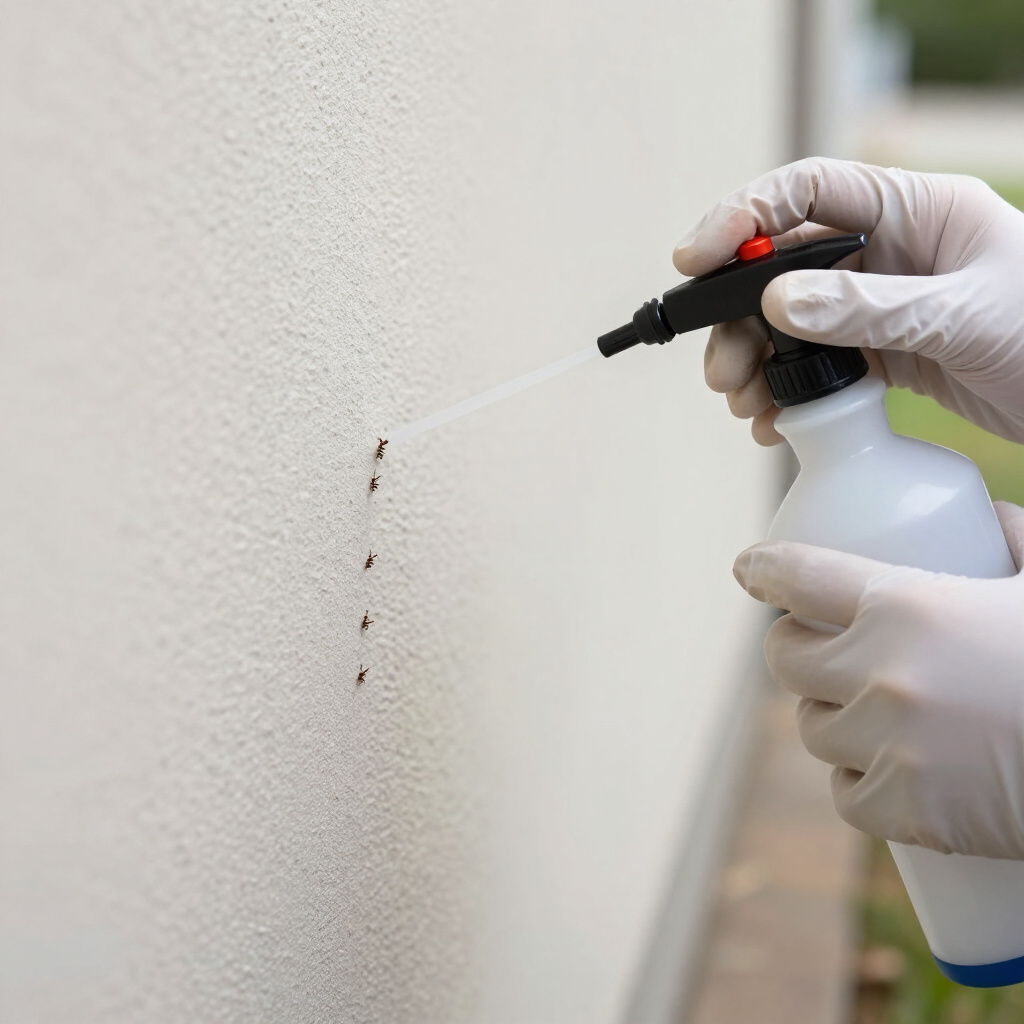
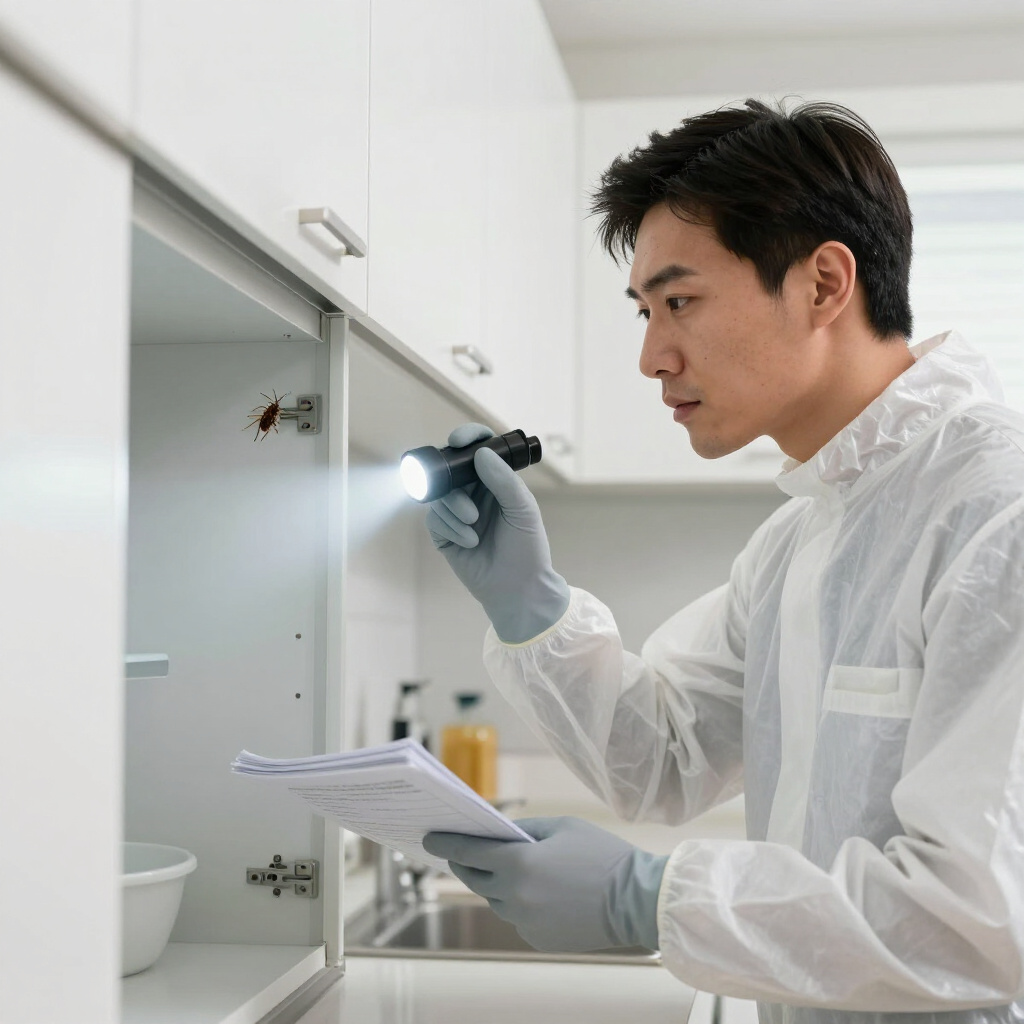
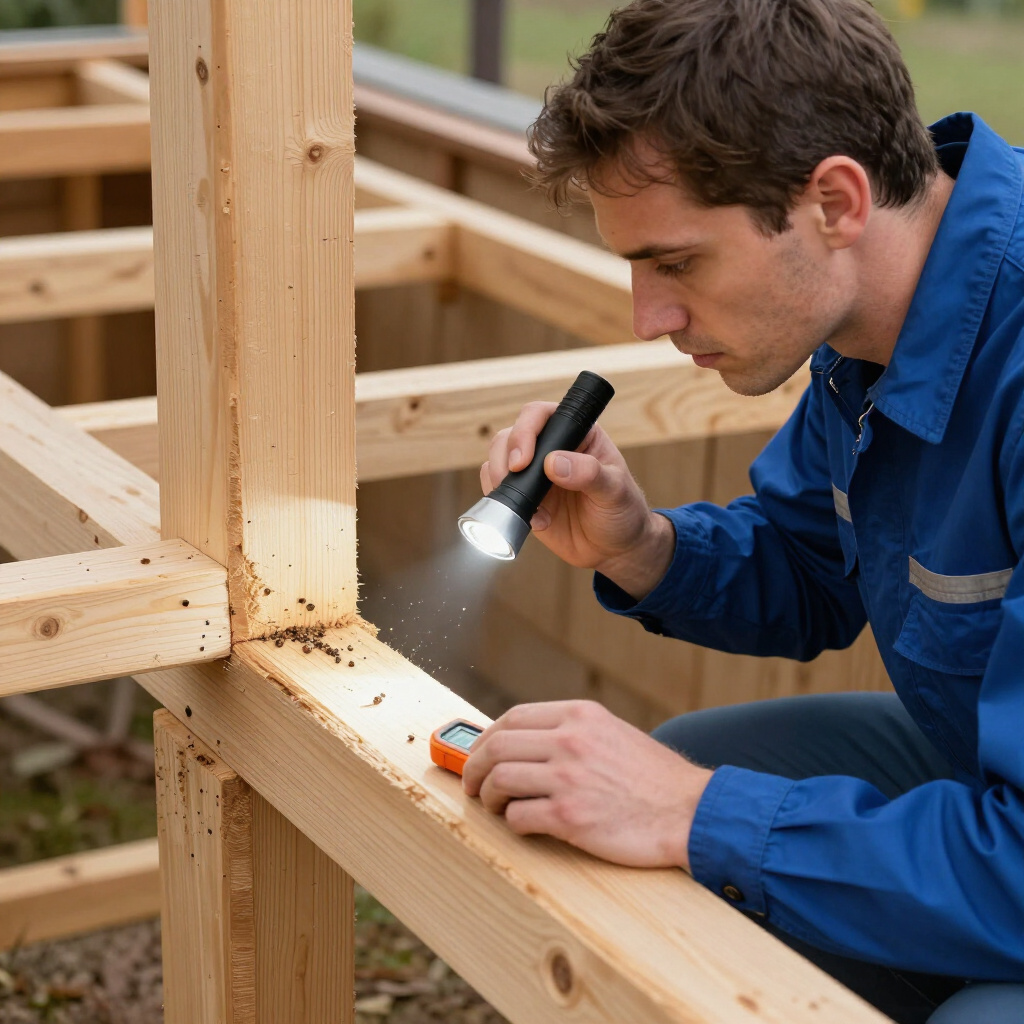
When ants march across your kitchen counter or aphids cluster on your tomato plants, reaching for a chemical spray feels like the quickest fix. But many homeowners are discovering that natural pest control methods can be just as effective—without the worry of harsh residues around children, pets, and pollinators. The key is knowing which approaches target specific pests and how to apply them correctly for real results. Whether you're dealing with indoor invaders or garden pests, these proven techniques can help you reclaim your space safely and effectively.
Natural Pest Control Starts with Prevention
The most powerful natural pest control strategy isn't a product at all—it's making your home and garden less appealing to pests in the first place. Inside your home, this means eliminating the three things pests need most: food, water, and shelter. Store dry goods in airtight glass or metal containers rather than cardboard or plastic bags that pests can chew through. Fix leaky faucets promptly, as even a small drip creates the moisture that silverfish, cockroaches, and ants seek out. Declutter storage areas where rodents and insects can nest undisturbed, and seal cracks around windows, doors, and utility penetrations with caulk or steel wool.
In the garden, prevention looks slightly different. Practice crop rotation to disrupt pest life cycles that depend on specific host plants. Choose pest-resistant varieties when possible, and maintain healthy soil with compost—vigorous plants naturally resist infestations better than stressed ones. Proper spacing between plants improves air circulation, reducing the humid conditions that favor fungal problems and the sheltering cover that harbors chewing insects.
Companion planting deserves special mention here. Marigolds release compounds from their roots that repel root-knot nematodes, while their strong scent confuses many above-ground pests. Nasturtiums act as trap crops, drawing aphids away from your vegetables. Herbs like basil, rosemary, and mint repel flies and mosquitoes when planted near seating areas or doorways. These aren't folk tales—research consistently supports the pest-suppressing effects of strategic plant partnerships.
Targeted Natural Remedies for Common Pests
When prevention isn't enough, several natural pest control treatments deliver genuine results when applied correctly. The trick is matching the right remedy to your specific pest problem.
Diatomaceous earth works against any pest with an exoskeleton, including ants, fleas, beetles, and cockroaches. This fine powder consists of fossilized algae with microscopic sharp edges that abrade the waxy coating insects need to retain moisture. Apply a thin, visible layer along baseboards, behind appliances, or in garden beds—but only when conditions are dry. Moisture renders diatomaceous earth ineffective, and it must be reapplied after rain or heavy dew. Always choose food-grade diatomaceous earth, especially if you have pets or are using it in kitchen areas.
Neem oil stands out as one of the most versatile botanical insecticides. Derived from the seeds of the neem tree, it disrupts feeding and growth in over 200 insect species while remaining harmless to bees and other beneficial insects once dry. Neem works particularly well against soft-bodied pests like aphids, whiteflies, spider mites, and scale. For best results, spray in the evening when pollinators are inactive, and ensure thorough coverage of leaf undersides where pests hide. Repeat applications every 7-10 days may be necessary for heavy infestations.
Essential oils offer targeted natural pest control when used appropriately. Peppermint oil repels spiders and ants—mix 10-15 drops per cup of water with a splash of dish soap to help emulsify, then spray along entry points. Tea tree and eucalyptus oils show similar repellent properties. However, essential oils are potent; never apply them undiluted, and keep them away from cats, who lack the liver enzymes to process many compounds safely.
Boric acid remains one of the most effective and low-toxicity options for ant and cockroach control. Mixed with a sweet attractant, it acts as a slow-acting stomach poison that foraging insects carry back to colonies. Place bait stations out of reach of children and pets, and resist the urge to kill visible ants—letting them transport bait to the nest is precisely how the method succeeds.
Physical controls round out your natural toolkit. Sticky traps catch flying insects like fungus gnats and whiteflies, giving you both control and monitoring information. Row covers physically exclude pests from crops while allowing light and water through. Handpicking works surprisingly well for larger, slower pests like Japanese beetles or tomato hornworms—drop them into soapy water. A strong jet of water dislodges aphids and spider mites from plants without chemicals.
Key Tips for Success with Natural Pest Control
Natural pest control methods require a slightly different mindset than chemical approaches, and these tips will help you achieve consistent results.
First, adjust your expectations for speed. Botanical insecticides and biological controls often work more slowly than synthetic chemicals because they frequently disrupt reproduction or feeding rather than killing on contact. A colony of ants may take several days to eliminate with boric acid bait, whereas a spray might appear to solve the problem in hours—yet often leaves surviving ants to rebuild. Patience pays off with more complete, longer-lasting control.
Second, identify your pest accurately before treating. The remedy for carpet beetles differs dramatically from that for clothes moths, though both damage fabrics. Similarly, what controls aphids won't touch squash bugs. Take clear photos and consult your local extension service if you're uncertain. Misidentification leads to wasted effort and continued damage.
Third, apply treatments thoughtfully rather than broadly. Spot-treat affected areas rather than blanketing your entire home or garden. This preserves beneficial insects that provide free natural pest control—ladybugs devour aphids, lacewing larvae attack caterpillars, and ground beetles consume slugs and cutworms. A garden teeming with diverse insect life is generally a healthy, well-balanced one.
Fourth, combine methods for challenging problems. A single approach rarely suffices for established infestations. For example, tackling an indoor ant problem might involve sealing entry points, cleaning food sources, placing boric acid bait along trails, and using diatomaceous earth as a barrier. Each tactic addresses a different aspect of the problem.
Finally, document what works in your specific situation. Climate, local pest populations, and even your home's construction affect which natural pest control methods perform best. Keep notes on timing, products, and results to refine your approach year after year.
Final Thoughts
Natural pest control methods genuinely work when selected and applied with knowledge and patience. Prevention through sanitation, exclusion, and garden practices forms your foundation. When pests breach these defenses, targeted remedies like diatomaceous earth, neem oil, and boric acid provide effective control without the concerns associated with synthetic chemicals. The transition from chemical-dependent to natural pest management isn't about finding one magic solution—it's about building an integrated approach tailored to your home, garden, and the specific challenges you face. Start with one or two methods that address your most pressing problem, observe the results, and expand your natural toolkit from there. Your family, pets, and local ecosystem will benefit from the shift.