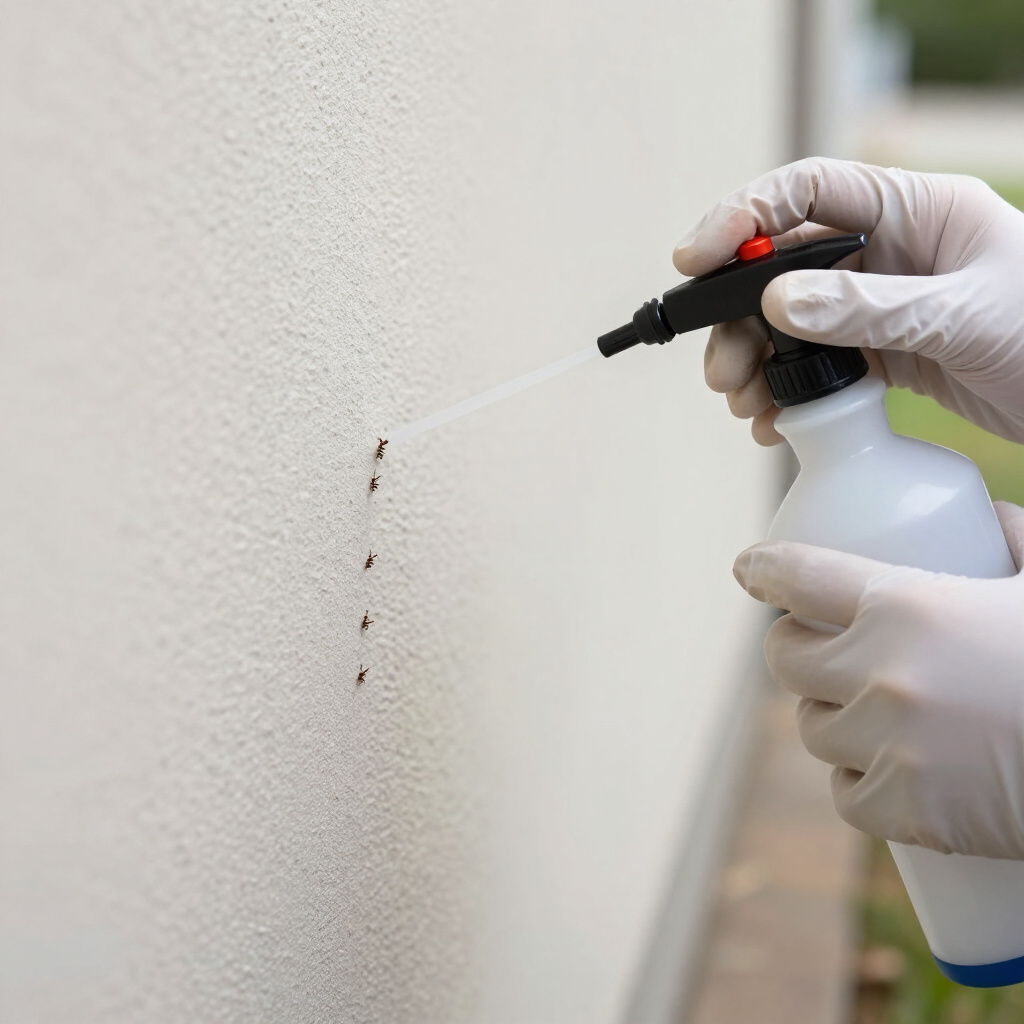


No one likes uninvited guests—especially the kind that scurry across your kitchen floor at midnight or leave mysterious bite marks on your ankles. Household pests are more than just a nuisance; they can damage your home, contaminate your food, and even pose health risks to your family. The good news? Most infestations are entirely preventable with a little know-how and consistent maintenance. Whether you're dealing with a current problem or simply want to keep your home pest-free, this guide will walk you through the most common culprits and the practical steps you can take to stop them in their tracks.
Most Common Household Pests and How to Prevent Them
Understanding your enemy is the first step in any good defense. Here are the pests you're most likely to encounter and what makes them tick.
Ants are perhaps the most frequent invaders, marching in lines toward any crumb or sticky spill. They leave scent trails for colony mates, which explains why you rarely see just one. Sweet-loving species like odorous house ants target sugary residues, while pavement ants may venture indoors seeking warmth and moisture.
Cockroaches thrive in dark, humid environments with easy food access. These resilient pests can squeeze through cracks the width of a credit card and will eat almost anything—including glue, soap, and paper. Their presence can trigger allergies and asthma, particularly in children.
Rodents such as mice and rats seek shelter as temperatures drop, gnawing through drywall, electrical wiring, and even lead pipes to gain entry. A single mouse can produce up to 35 young per year, turning a small problem into a full-blown infestation with shocking speed.
Spiders typically wander indoors following their insect prey. While most common household species are harmless, their webs create an unkempt appearance and can cause anxiety for many homeowners.
Termites operate silently, consuming wood from the inside out. By the time you notice sagging floors or hollow-sounding timber, extensive damage may already be done.
Bed bugs hitchhike on luggage, furniture, and clothing, setting up residence in mattress seams and box springs. Their bites cause itchy welts, and their growing resistance to many pesticides makes professional treatment often necessary.
Prevention Strategies That Actually Work
The most effective pest control happens before you ever see a bug or rodent. These proactive measures address the three things all pests need: food, water, and shelter.
Seal entry points meticulously. Walk the exterior of your home with a critical eye. Caulk gaps around windows and doors, install door sweeps, repair torn screens, and stuff steel wool into larger openings where pipes enter—rodents cannot chew through it. Pay special attention to the foundation, roofline, and areas where utility lines penetrate walls.
Eliminate moisture problems. Fix leaky faucets, unclog gutters, and ensure downspouts direct water away from your foundation. Use dehumidifiers in damp basements and crawl spaces. Even small puddles or condensation lines can sustain cockroach and ant colonies.
Store food properly. Transfer dry goods to airtight glass or thick plastic containers. Never leave pet food out overnight. Wipe down counters daily, sweep floors regularly, and take garbage out before it becomes aromatic. Clean under appliances where crumbs accumulate unnoticed.
Manage your landscape strategically. Trim tree branches and shrubs so they don't touch your home's exterior—pest superhighways to your roof and walls. Keep firewood stacked at least twenty feet away and elevated off the ground. Remove leaf litter and debris where rodents and insects nest.
Declutter indoor spaces. Cardboard boxes, stacks of newspapers, and unused clothing provide ideal harborage for spiders, silverfish, and rodents. Opt for plastic storage bins with tight-fitting lids instead.
Key Tips for Seasonal Vigilance
Pest pressure changes throughout the year, and your prevention efforts should adapt accordingly.
In spring, ants become active and termites swarm. Schedule a professional termite inspection and apply fresh caulk where winter weather may have compromised seals. Check window screens for damage after winter storms.
Summer brings flies, wasps, and increased spider activity around exterior lights. Switch to yellow bug bulbs, keep trash cans tightly lidded, and address standing water where mosquitoes breed.
Fall is critical for rodent prevention as mice and rats seek winter shelter. Inspect your attic and basement for new gaps, store summer gear in sealed containers, and consider professional exterior bait stations if you've had previous issues.
In winter, overwintering pests like stink bugs and boxelder bugs may emerge indoors on warm days. Vacuum them promptly rather than crushing, which can release unpleasant odors.
Regardless of season, consistency matters more than intensity. A fifteen-minute weekly inspection routine catches problems while they're still manageable.
Final Thoughts
Most Common Household Pests and How to Prevent Them is not just about eliminating what's already inside—it's about making your home fundamentally unappealing to invaders in the first place. The strategies outlined here require some upfront effort, but they pay dividends in avoided damage, preserved peace of mind, and eliminated treatment costs.
If you notice signs of established infestation—droppings, gnaw marks, shed wings, or live specimens during daylight hours—don't wait. Pests reproduce exponentially, and DIY solutions often drive problems deeper into hidden areas. A licensed pest control professional can identify the species, locate nesting sites, and implement targeted treatments that protect your family and pets.
Your home should be your sanctuary, not a shared space with creatures that belong outside. With vigilance, proper maintenance, and timely professional support when needed, you can keep it that way year-round.