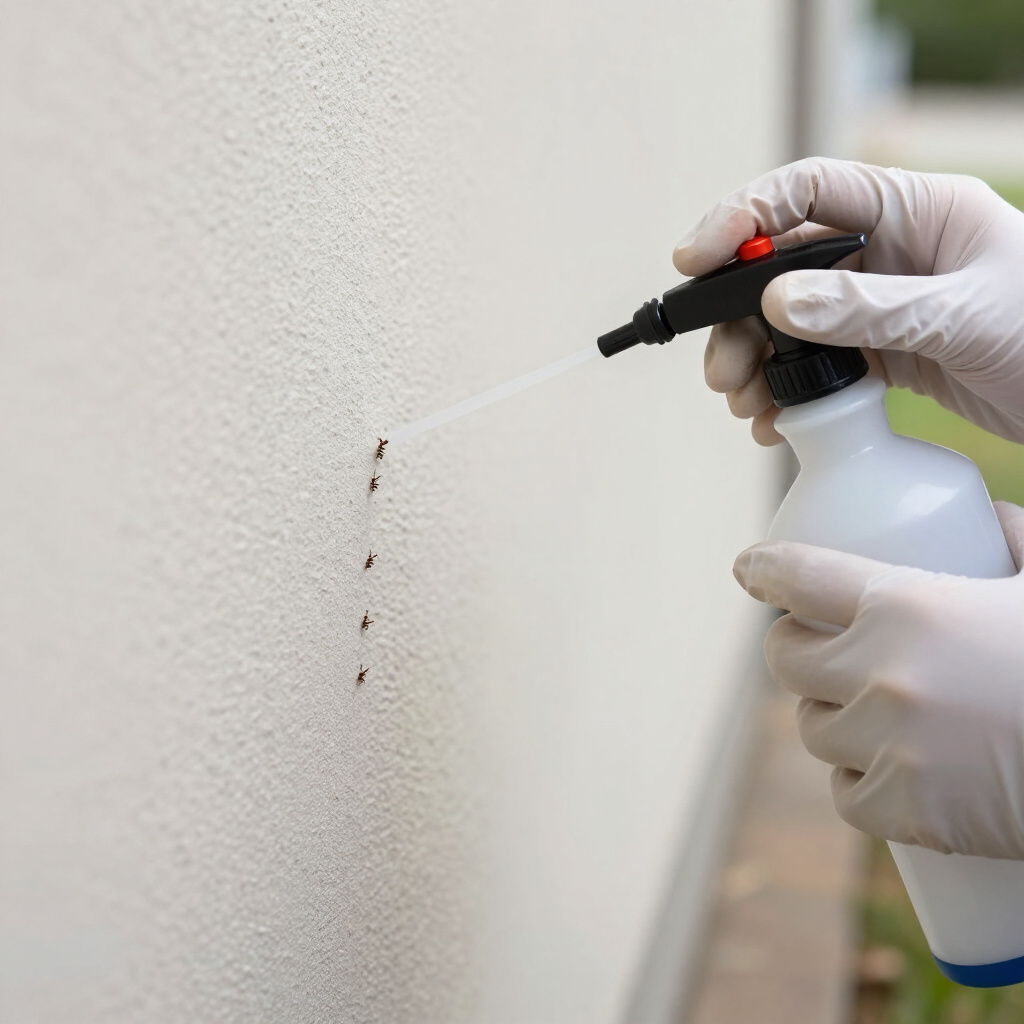


Few things are more frustrating than watching a steady line of ants march across your kitchen counter like they own the place. One day your home is peaceful, and the next, you have uninvited guests raiding your sugar bowl and scouting every crumb in sight. The good news? Preventing an ant invasion is entirely possible with the right approach. You don't need harsh chemicals or endless frustration—just smart, consistent habits that make your home far less appealing to these persistent foragers.
How to Prevent Ants From Invading Your Home Starts With Understanding Them
Ants aren't randomly choosing your home out of spite. They're following a biological imperative: find food, bring it back to the colony, survive. Worker ants leave invisible pheromone trails that act like highways for their sisters, which is why you often see those characteristic lines of ants moving in formation. Understanding this behavior is your first real advantage.
Most ant invasions happen because your home offers something their outdoor environment currently lacks. During periods of drought, heavy rain, or seasonal transitions, ants become more desperate for reliable food and water sources. Your climate-controlled, crumb-filled sanctuary becomes irresistible. The key to prevention is interrupting their decision-making process before it begins—making your home seem like more trouble than it's worth.
Different ant species behave differently too. Sugar ants swarm to sweets, grease ants prefer proteins and oils, and carpenter ants can cause structural damage by tunneling through damp wood. While you don't need to become an entomologist, knowing whether you're dealing with nuisance ants or something more destructive helps determine how aggressive your prevention strategy needs to be.
Seal Every Entry Point They Could Possibly Find
Ants are remarkably resourceful when it comes to finding ways inside. An opening the width of a dime is more than enough for most species to squeeze through. Your prevention efforts need to be equally thorough and detail-oriented.
Start with a systematic walk around your home's exterior. Examine window frames, door thresholds, and utility penetrations where pipes and wires enter. Caulk gaps around windows, replace worn weatherstripping, and install door sweeps if you can see light underneath exterior doors. Pay special attention to foundation cracks, gaps where siding meets brick, and spaces around outdoor faucets.
Inside, check less obvious entry routes. Kitchen plumbing penetrations under sinks, gaps behind baseboards, and spaces around electrical outlets can all serve as ant highways. Expanding foam sealant works well for larger gaps, while silicone caulk handles finer cracks. Remember that ants can also travel along tree branches and shrubs that touch your house—trim vegetation back at least a foot from exterior walls to eliminate these natural bridges.
This sealing process isn't a one-time project. Seasonal settling, normal wear, and new damage create fresh vulnerabilities. Make perimeter inspection part of your spring and fall home maintenance routine.
Key Tips for Making Your Home Truly Unappealing
Even the most sealed home can attract ants if the interior conditions are tempting enough. Your daily habits matter enormously here. Food storage and cleanliness are your most powerful tools.
Store all pantry items—flour, sugar, cereals, pet food—in airtight containers with tight-fitting lids. Cardboard boxes and paper bags are no obstacle for determined ants. Wipe down honey jars, syrup bottles, and jam containers after every use; that sticky residue on the outside is a beacon. Don't leave pet food out overnight, and consider elevating bowls in moats of soapy water if ants are particularly persistent in your area.
Cleanliness goes beyond visible mess. Ants can survive on remarkably small food sources. Sweep and vacuum regularly, paying attention to crumbs under appliances and along baseboards. Wipe down counters with vinegar solution after food preparation—it cleans effectively and disrupts pheromone trails simultaneously. Take garbage out frequently and use cans with tight lids, both indoors and out.
Moisture control matters too. Fix leaky faucets promptly, ensure bathrooms ventilate properly, and check that your gutters direct water away from the foundation. Damp wood and consistent water sources attract certain ant species and can lead to much bigger problems than a kitchen raid.
Natural deterrents can supplement your efforts. Cinnamon, peppermint oil, and diatomaceous earth create barriers that many ants avoid. Place these strategically near known entry points or past invasion routes. While not foolproof, they add another layer of defense and can be particularly useful in homes with children or pets where chemical treatments raise concerns.
Finally, resist the urge to simply kill the ants you see and hope for the best. Those visible workers represent a tiny fraction of the colony. Wiping out a foraging trail without addressing what attracted them or how they entered virtually guarantees replacement workers will arrive tomorrow. Prevention requires addressing the underlying conditions, not just the symptoms.
Final Thoughts
Preventing ants from invading your home comes down to three persistent principles: eliminate access, remove attractions, and stay vigilant. No single tactic guarantees success, but layering these strategies creates a defense system that sends ants looking for easier opportunities elsewhere. The effort you invest in sealing gaps and maintaining cleanliness pays dividends far beyond ant prevention—you'll likely notice fewer spiders, roaches, and other pests too.
Sometimes, despite your best efforts, established colonies present challenges that DIY methods can't fully resolve. Perhaps you're dealing with carpenter ants threatening structural elements, or a supercolony with multiple queens that keeps rebounding. When prevention needs reinforcement, professional expertise makes the difference. A licensed pest control specialist can identify species precisely, locate hidden nests, and implement targeted treatments that protect your home without unnecessary chemical exposure.