
There's nothing quite like that unsettling moment when you spot a spider scurrying across your living room floor or hanging in a perfectly spun web in the corner of your ceiling. While most household spiders are harmless and even helpful at controlling other insects, that knowledge rarely brings comfort when you're trying to relax at home. The good news? Keeping spiders out of your house is absolutely achievable with the right combination of prevention strategies, environmental management, and smart home maintenance. Whether you're dealing with seasonal invaders or year-round eight-legged guests, this guide will walk you through proven, practical steps to make your home far less appealing to spiders.
How to Keep Spiders Out of Your House by Sealing Entry Points
Spiders don't need much of an opening to find their way indoors. A gap the width of a pencil is plenty for many species to squeeze through. Your first and most effective line of defense is a thorough inspection and sealing of potential entryways around your entire home.
Start with your doors and windows. Check weather stripping for cracks, gaps, or worn areas, and replace anything that no longer forms a tight seal. Install door sweeps on exterior doors if you don't already have them—these block the gap between the door bottom and threshold where spiders commonly enter. For windows, ensure screens are intact without tears, and consider adding fine mesh screens if your current ones have larger openings.
Move on to your home's exterior envelope. Examine where utility lines, pipes, and cables enter your house; these penetrations often have small gaps that go unnoticed. Seal them with caulk, expanding foam, or steel wool depending on the size of the opening. Pay special attention to foundation cracks, gaps around siding, and spaces where the roof meets walls. Vents and chimneys should be covered with appropriately sized screens to allow airflow while blocking access.
Don't forget your garage and basement, which often serve as staging areas for spiders before they move deeper into your home. Keep these spaces organized, reduce clutter where spiders can hide, and ensure they have the same level of sealing as your main living areas.
Reduce the Insects That Attract Spiders
Spiders are predators, plain and simple. They set up shop where food is abundant, and their food consists of the other insects in and around your home. One of the most effective yet underutilized strategies for spider control is eliminating their food sources.
Begin with outdoor lighting. Traditional white or yellow exterior lights attract moths, flies, and other flying insects, which in turn draw spiders hoping to catch an easy meal. Switch to yellow "bug lights" or sodium vapor bulbs, which are far less attractive to insects. Consider motion-activated lights so they're not continuously on, and position lights away from doorways when possible, using them to illuminate the yard rather than the immediate entry point.
Inside your home, maintain rigorous pest control practices. Clean up food crumbs promptly, store pantry items in sealed containers, and manage moisture issues that attract silverfish, cockroaches, and other spider prey. Address fruit flies, drain flies, and any other small insect problems quickly—the longer they're present, the more entrenched your spider population will become.
Outdoor insect control matters too. Standing water breeds mosquitoes; overgrown vegetation harbors aphids, leafhoppers, and the insects that feed on them. By managing your landscape thoughtfully, you reduce the entire food chain that supports spiders near your home.
Modify Your Home Environment to Deter Spiders
Spiders prefer quiet, undisturbed spaces with minimal foot traffic and plenty of hiding spots. The more you disrupt these conditions, the less hospitable your home becomes.
Declutter relentlessly, especially in areas spiders favor: basements, attics, closets, and storage rooms. Cardboard boxes, old newspapers, and piled clothing create ideal harborage. Replace cardboard with sealed plastic containers, and elevate stored items off the floor when possible. Regularly disturb quiet corners by vacuuming thoroughly, including along baseboards, behind furniture, and in ceiling corners where webs accumulate.
Humidity control plays a significant role. Many spider species thrive in damp environments. Run dehumidifiers in basements and crawl spaces, aiming for relative humidity below 50 percent. Fix leaky pipes, improve ventilation in bathrooms and kitchens, and ensure your home's drainage directs water away from the foundation.
Your landscaping choices also influence spider pressure indoors. Keep shrubs, trees, and dense vegetation trimmed back at least 12 inches from your home's exterior walls—no branches should touch the house. Remove leaf litter, mulch buildup, and stacked firewood from immediately adjacent to your foundation. These outdoor harborages serve as launching points for spiders exploring your home's exterior for entry points.
Inside, consider natural deterrents as supplementary measures. Essential oils like peppermint, tea tree, and eucalyptus have shown mild repellent properties when applied regularly to entry points and corners. Vinegar solutions can serve a similar purpose. While these won't solve a significant spider problem alone, they can provide modest additional discouragement as part of a comprehensive approach.
When to Consider Professional Help
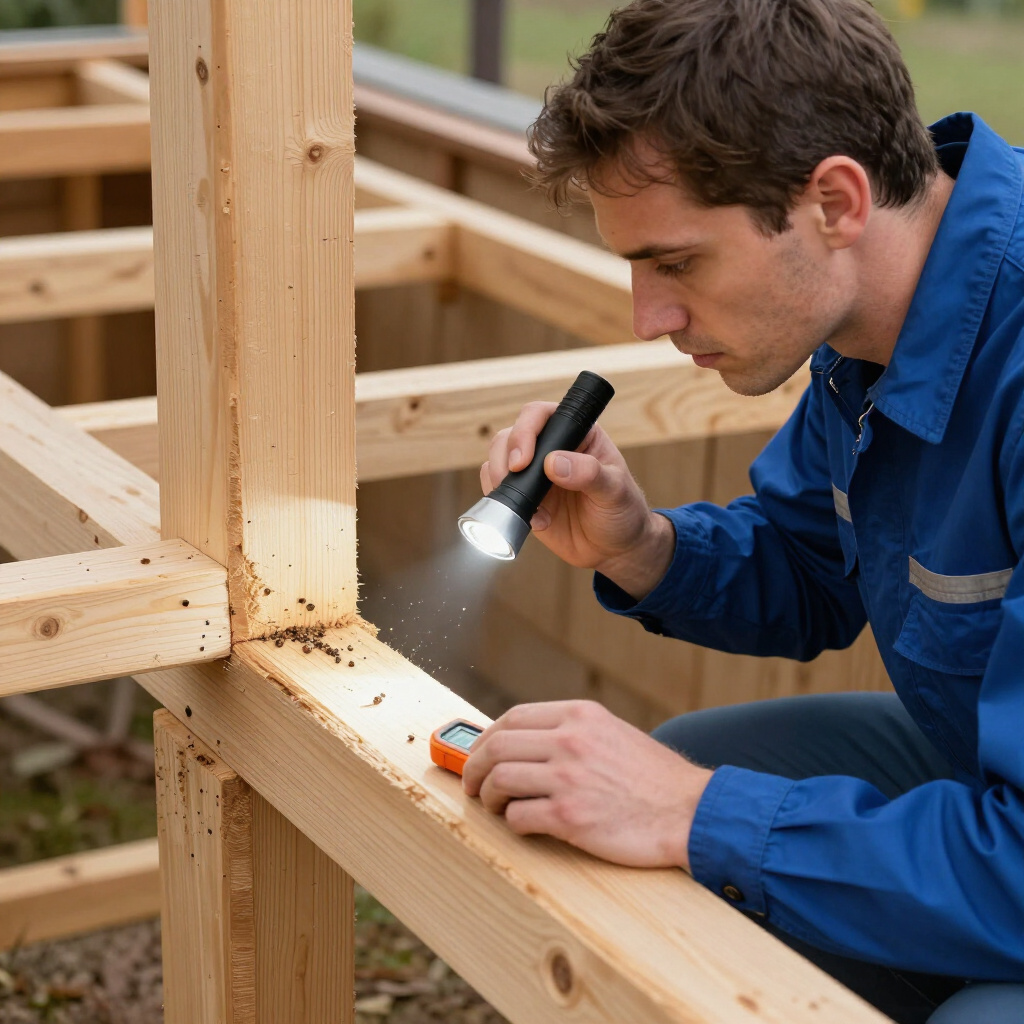
Sometimes despite your best efforts, spiders persist or even proliferate. This often indicates an underlying issue that's difficult to address without professional expertise—hidden moisture problems, extensive exterior insect pressure, or entry points in inaccessible areas like crawl spaces or wall voids.
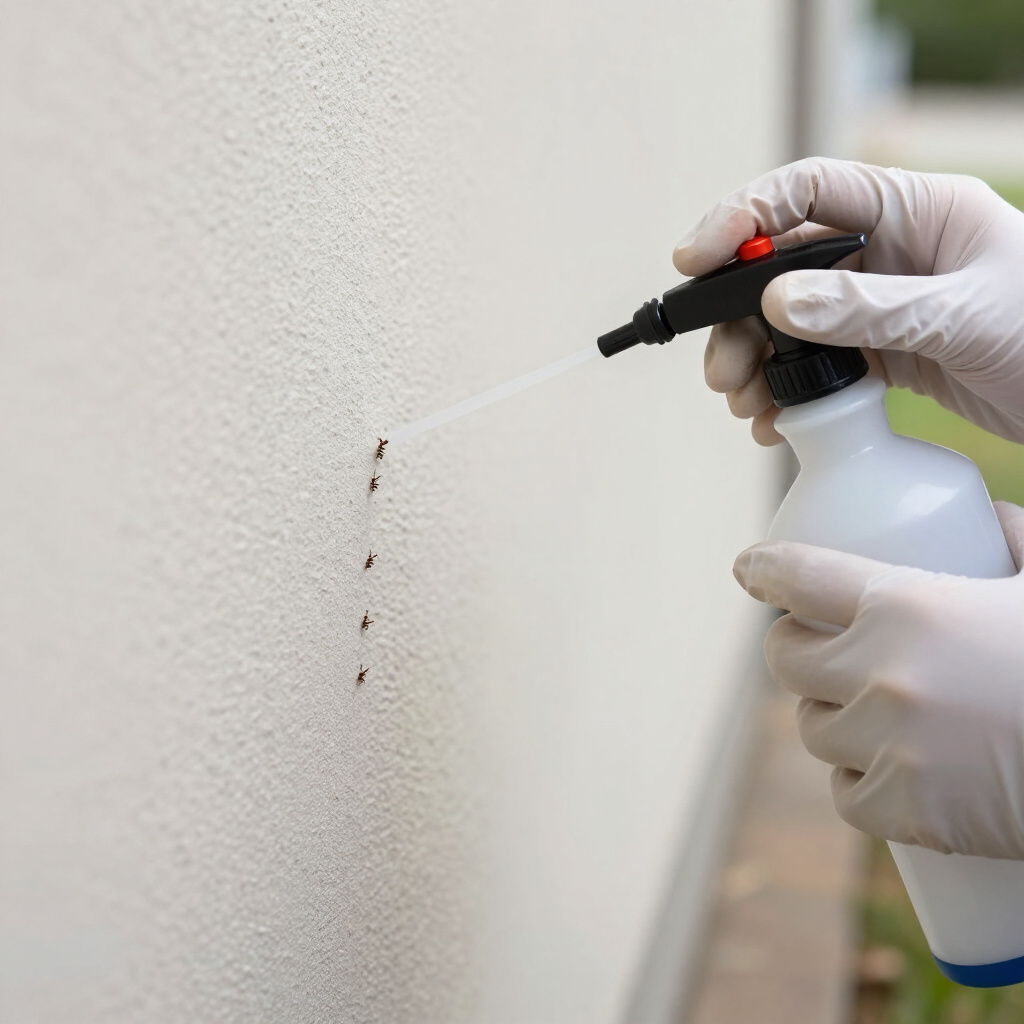
Professional pest control technicians bring specialized knowledge of spider behavior, species identification, and integrated management strategies. They can apply targeted treatments to exterior perimeters, voids, and harborages using products and application methods not available to homeowners. More importantly, they can diagnose why spiders continue entering and develop a customized prevention plan addressing your home's specific vulnerabilities.
Consider professional help if you're seeing large numbers of spiders consistently, if you're finding venomous species like black widows or brown recluses, or if your own prevention efforts haven't produced noticeable improvement after several weeks of diligent implementation.
Key Tips for Ongoing Spider Prevention
Consistency matters more than intensity when keeping spiders away. Establish these habits for lasting results:
Vacuum weekly, paying special attention to corners, under furniture, and along window tracks where spiders and their egg sacs hide. Immediately dispose of the vacuum bag or empty the canister outside.
Inspect and refresh seals seasonally. Temperature fluctuations cause materials to expand and contract, potentially opening new gaps. Spring and fall inspections catch these before they become spider highways.
Maintain your exterior lighting strategy year-round, not just in summer when flying insects seem most obvious.
Keep outdoor spaces tidy. The woodpile, compost bin, or collection of flower pots against your house may seem harmless, but each represents ideal spider habitat positioned strategically for indoor exploration.
Address moisture immediately. That slow drip under the sink or condensation in the crawl space doesn't just waste water—it creates the humid microhabitats spiders seek.
Final Thoughts
Learning how to keep spiders out of your house ultimately comes down to understanding what draws them in and systematically removing those attractions. No single tactic provides complete protection, but the layered approach of sealing entry points, eliminating food sources, modifying habitat conditions, and maintaining vigilant home care creates an environment where spiders simply don't thrive. Your home should feel like your sanctuary, not shared territory with eight-legged roommates. With patience and persistence, you can substantially reduce spider encounters and reclaim your comfortable, worry-free living space. The effort you invest in prevention pays dividends in peace of mind every time you walk through your door.